
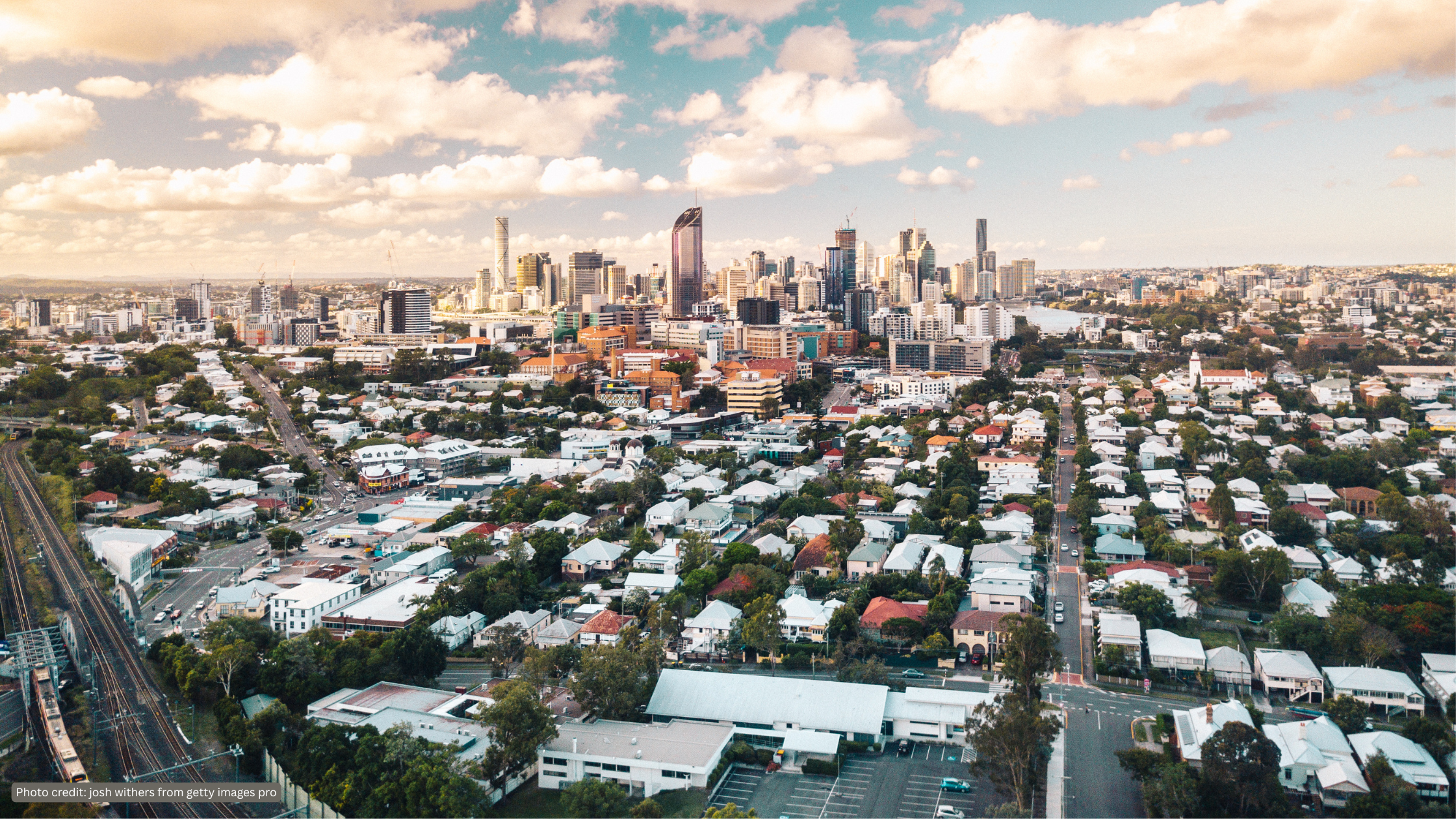
Greater Brisbane could exhaust its available industrial land supply by 2031 as demand from freight, logistics, construction and other industrial users continues to absorb development-ready sites.
The Industrial Land Supply and Vacancy Outlook 2026, released by the Property Council of Australia and SA1 Property, estimates the market will absorb around 205 hectares of industrial land annually over the next five years.
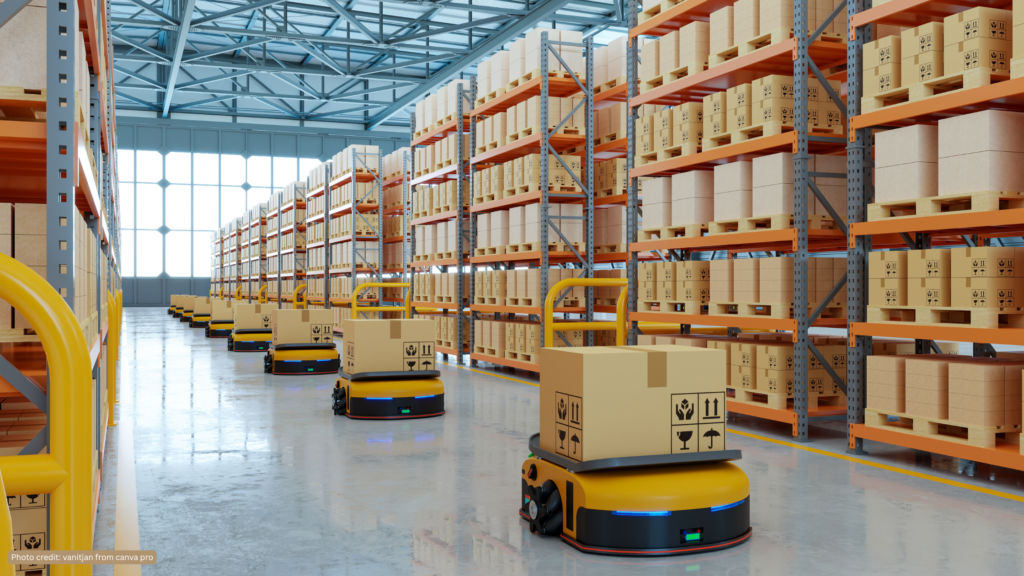
The tightening supply has implications for logistics operators that depend on appropriately located land for warehouses, distribution centres, transport depots and outdoor storage.
Brisbane’s Industrial Outdoor Storage market is already 96.87 per cent utilised, leaving limited capacity for businesses requiring yards for trucks, equipment, containers, materials and other operational uses.
Freight growth increases pressure on industrial land
Industrial land forms a critical but often less visible part of the freight network.
Warehouses and distribution centres need access to major roads, while transport operators require sites that can accommodate heavy vehicles, loading areas and outdoor storage. Proximity to ports, airports, customers and workers can also influence transport costs and delivery efficiency.
Property Council Queensland Executive Director Jess Caire said Brisbane’s industrial precincts were supporting a range of freight and infrastructure activities but faced increasingly limited capacity.
“Queensland’s industrial precincts are doing the heavy lifting for a growing economy,” Caire said.
“Supporting freight, logistics, construction and the delivery of major infrastructure, many of these strategically located sites are now approaching full occupation, leaving limited room for future growth.”
The report found some major Brisbane industrial precincts could have as little as 3.5 years of remaining land supply.
That constraint could make it more difficult for logistics operators to expand existing facilities or secure new sites close to established freight corridors.
Industry groups highlight freight capacity needs
The pressure on industrial land comes as freight organisations continue to call for infrastructure and planning systems that can accommodate future logistics demand.
The Queensland Trucking Association (QTA) has identified land-use planning, access to freight routes and the availability of suitable facilities as important considerations for the road freight sector.
The association has also highlighted the need to protect freight corridors and ensure planning decisions account for the operational requirements of heavy vehicles as South East Queensland grows.
These issues become increasingly relevant when industrial operations move further from established freight networks because suitable sites are unavailable closer to major markets.
The Australian Logistics Council (ALC) has similarly argued at a national level that land-use and transport planning need to protect freight infrastructure and maintain efficient connections between industrial precincts, ports, airports and major freight corridors.
The organisation has consistently identified planning protection for freight routes and logistics facilities as important to the long-term efficiency of Australia’s supply chains.
These industry positions reinforce the broader issue identified in the Brisbane research: industrial land availability depends not only on the number of hectares available, but also on whether those sites connect effectively with the freight network.
Industrial demand continues to absorb capacity
Greater Brisbane recorded positive net industrial absorption while Sydney and Melbourne moved into negative territory, according to the research.
Developers have added around 3.39 million sqm of industrial floorspace across the Brisbane market since 2019, reflecting sustained demand for warehouses and other industrial facilities.
At the same time, industrial land values have risen 44 per cent over the past 12 months, while rents for prime industrial buildings have increased 50 per cent since 2019.
Higher land and occupancy costs can flow through supply chains by increasing the cost of establishing and operating warehouses, transport depots and distribution facilities.
The challenge becomes particularly significant for freight operations that require large sites and cannot easily move into conventional commercial property.
Location remains critical for logistics operations
Increasing the total amount of industrial land does not necessarily resolve the problem if new sites lack access to freight infrastructure.
Caire said employment land needed to remain connected to transport networks and workers rather than simply moving further from established urban areas.
“Employment land cannot simply be pushed to the urban fringe; it must be close to transport infrastructure, freight networks, ports, airports and labour markets,” she said.
For supply chain operators, location affects the distance vehicles travel between warehouses, customers, ports and other logistics facilities.
Moving industrial operations further from major markets can increase kilometres travelled, fuel use and delivery times while adding pressure to already busy road networks.
This connection between land use and freight efficiency has also featured in broader industry discussions about South East Queensland’s growth.
Freight organisations have argued that protecting industrial areas and transport corridors becomes increasingly important as residential and commercial development competes for land around established logistics precincts.
Outdoor storage faces particularly tight supply
Industrial Outdoor Storage represents another pressure point for the freight sector.
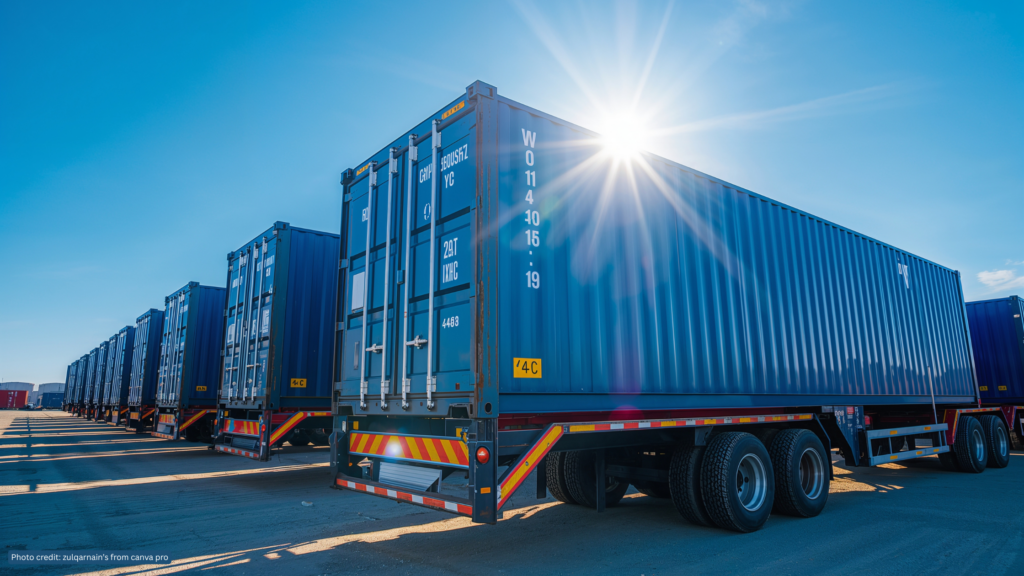
Unlike conventional warehouses, these sites provide open areas for activities such as truck and trailer parking, container storage, equipment holding and construction material storage.
Brisbane’s 96.87 per cent utilisation rate leaves little spare capacity for operators requiring these facilities.
The situation is even tighter on the Sunshine Coast, where the report recorded 98.8 per cent utilisation.
High utilisation can restrict the ability of transport and logistics businesses to expand close to the markets they serve, particularly when their operations require large areas of relatively low-density land.
The shortage also intersects with a broader issue raised by the trucking industry: finding appropriately located facilities for heavy vehicles as freight activity grows.
Truck parking, depots and other supporting facilities require land close enough to major freight routes to avoid unnecessary vehicle movements through surrounding communities.
Industrial land becomes a supply chain planning issue
The Property Council has called for a $500 million Industrial Infrastructure Fund, a coordinated state industrial strategy and improved monitoring of industrial land supply against South East Queensland Regional Plan targets.
Those recommendations represent the organisation’s proposed response to the shortage rather than measures governments have committed to implement.
For the freight sector, the broader issue is maintaining a pipeline of industrial land with the infrastructure needed to support logistics operations.
Warehouses, distribution centres and transport yards form physical links between ports, airports, road and rail networks and the businesses and consumers they serve.
The concerns raised by the Property Council, Queensland Trucking Association and Australian Logistics Council point to a common planning challenge: freight infrastructure and the land supporting it need to keep pace with population and economic growth.
As available sites become harder or more expensive to secure, operators may need to locate further from established freight corridors or compete for increasingly constrained industrial space.
Brisbane’s projected land shortage therefore extends beyond the property market. The availability, location and connectivity of industrial land will influence where freight facilities can operate, how efficiently goods move through South East Queensland and whether the logistics network can accommodate future growth.
Also read: Infrastructure gaps constrain development-ready industrial land in NSW

Yvette is a Content Producer at Akolade, producing stories for Supply Chain Channel, an Australian learning ecosystem created to address the need for information, networking, case studies, and empowerment for everyone in the supply chain sector.