Leading organisations are setting the rate of change by embracing new technologies throughout their entire value chain – IoT, blockchain, robotics, predictive analytics and RPA, to name a few. Simultaneously, they are also reaching out for and embracing new ways of working and actively engaging the emergent skills required to run these technologies. What has become most exciting to observe is how these new technologies are changing the fundamentals of supply chain management.
Tomorrow’s leaders will also readily adopt new technologies that provide entirely new future-ready capabilities, utilising the most relevant data to manage their operations more efficiently and respond to opportunities and threats more effectively. Organisations that continue to invest in traditional capabilities risk losing out to competitors who exploit digital technologies to predict better, react faster and maximise value across their channels and product lines.
Using future-ready capabilities, tomorrow’s supply chain leaders will excel in five key areas:
Micro demand planning – they will leverage data from sources outside their enterprise to more accurately predict changes in the wider market. Moving beyond demand modelled at a regional or channel level; tomorrow’s leaders will have the capabilities to predict demand at individual outlets, reducing waste and boosting customer engagement.
Modeling the voice of the customer – future supply chain leaders will use sensors built into smart products to simulate the ‘voice of the customer’. They will use the information from these IoT devices to anticipate customer needs before the customers themselves are even aware of it. They will invest to enhance their advanced analytics capabilities to better predict changes in customer demand instead of reacting to them.
Understanding the cost of complexity – advancing their capability to analyse complex masses of the product line, supply chain and channel-to-market data in order to better understand the true cost to serve for anyone of their customers in real-time. With the right supply chain analytics capabilities, tomorrow’s supply chain leaders will model the costs of complexity incurred by new offerings, setting performance benchmarks that tell them where, when and how far to invest to make the most of market opportunities.
Managing new kinds of partner networks – as effective supply chain management depends more and more on cutting-edge analytics, organisations will face a growing skills gap. Supply chain leaders will partner with knowledge providers to access the technical skills and expertise needed to build new digital solutions. If supply chain leaders outsource functional expertise in the future, they will now need to be able to manage an extended workforce of full- and part-time employees, gig economy workers, service providers, alliance partners and so on, while maintaining data security and integrity and protecting intellectual property.
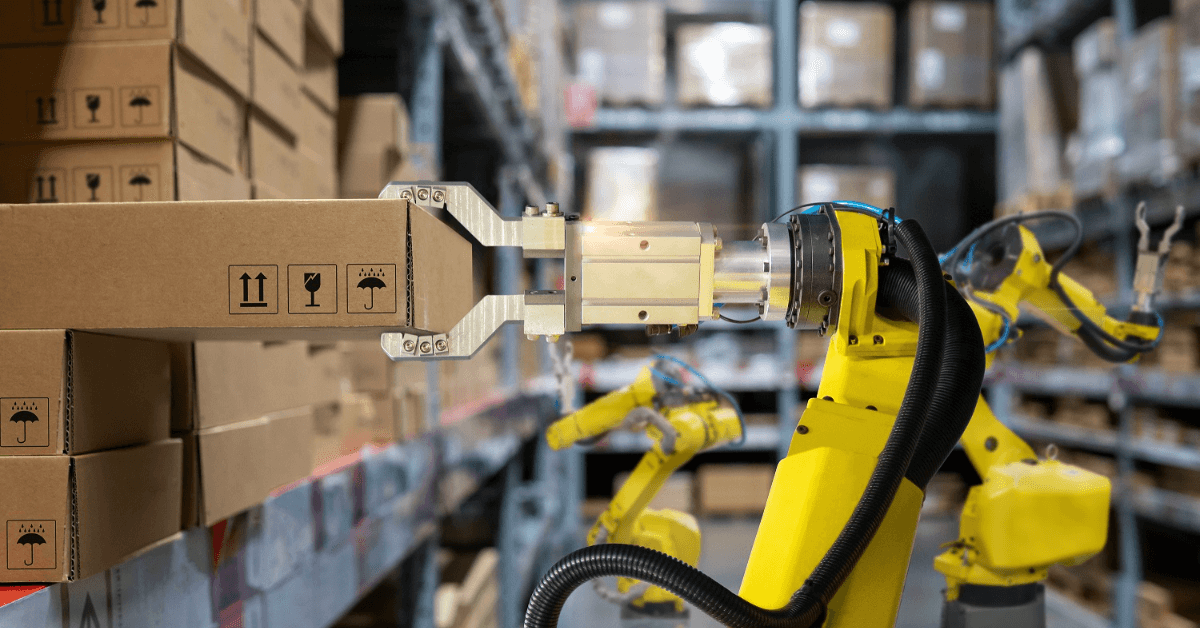
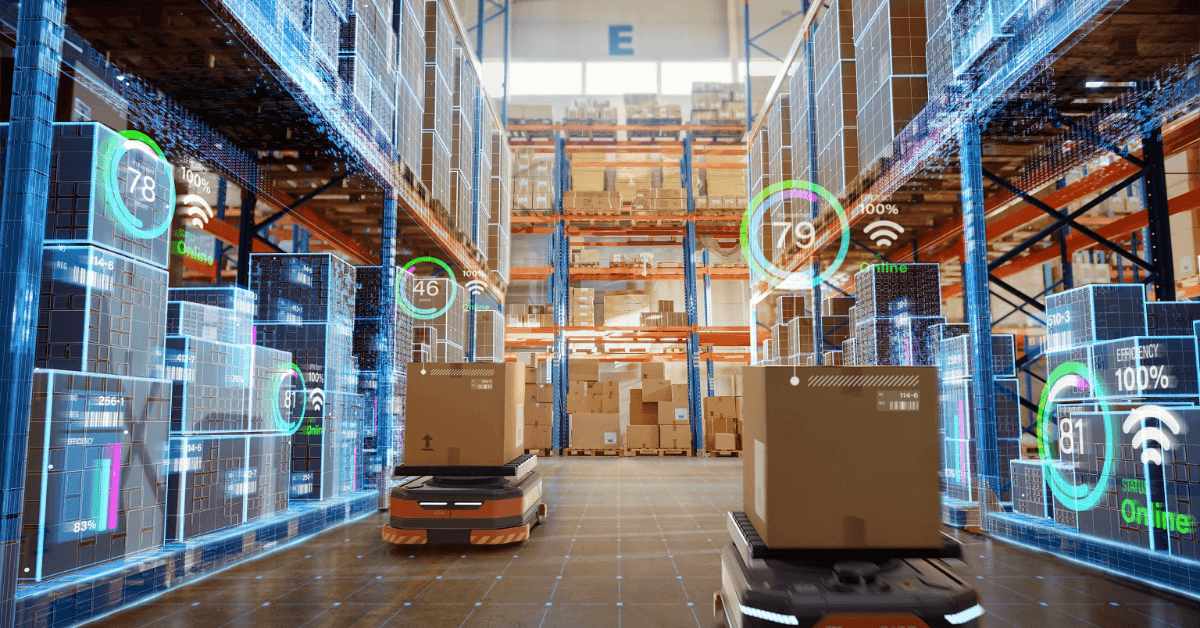
Enhancing supply chain autonomy – we expect a growing number of supply chain decisions will be automated in the future, increasing both operational speed and responsiveness, freeing up resources to focus on more complex, impactful decision-making. Automated optimisation of supply chains will become the new norm and tomorrow’s businesses will need to build cognitive analytics into their supply chains if they want to stay ahead.
Workforce: Future of Supply Chain


































Follow us on social media