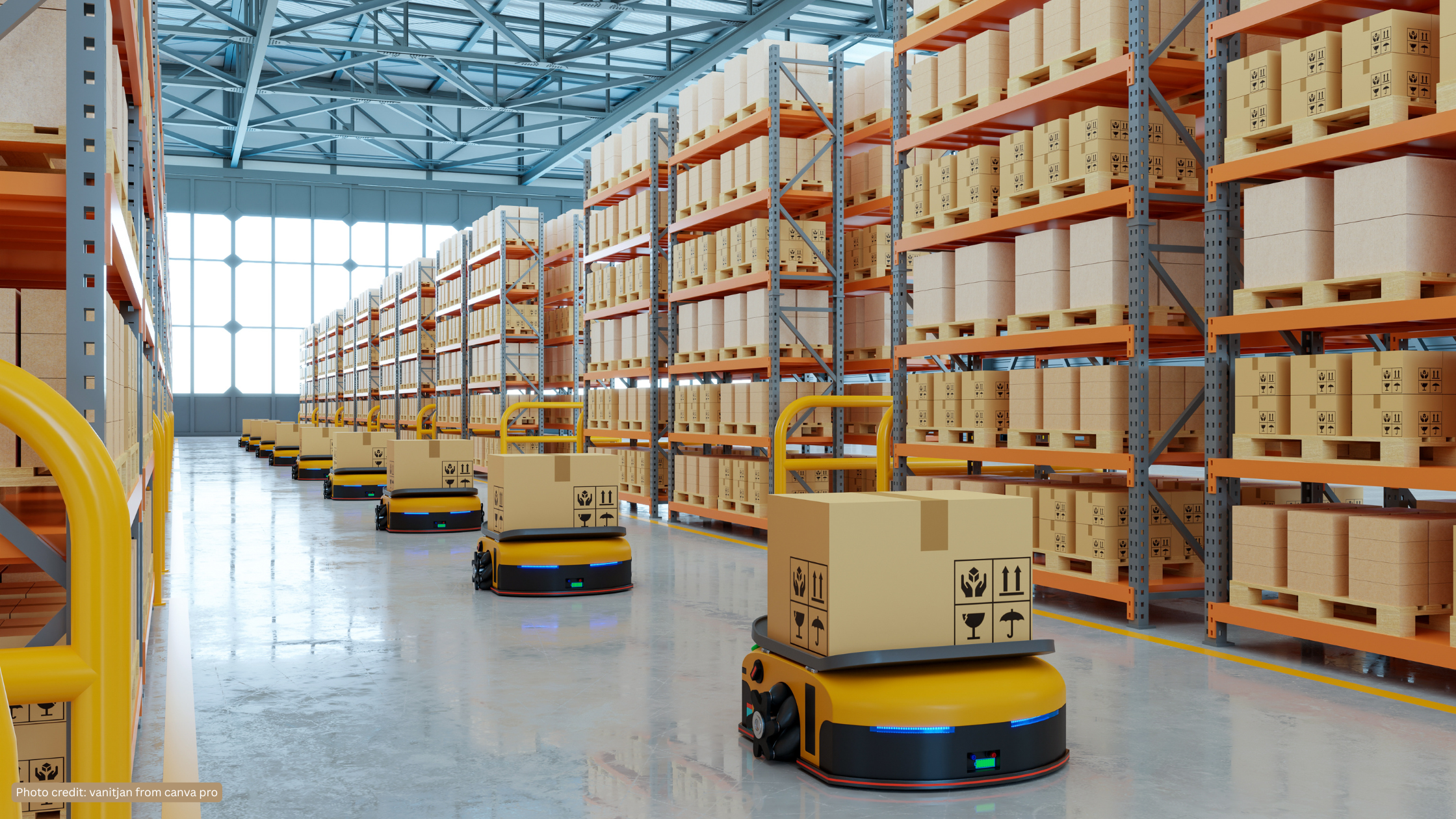
When does warehouse automation make sense for smaller operators?
Smaller warehouse operators are increasingly able to automate individual processes as modular technology lowers barriers to investment, but labour requirements,

Smaller warehouse operators are increasingly able to automate individual processes as modular technology lowers barriers to investment, but labour requirements,
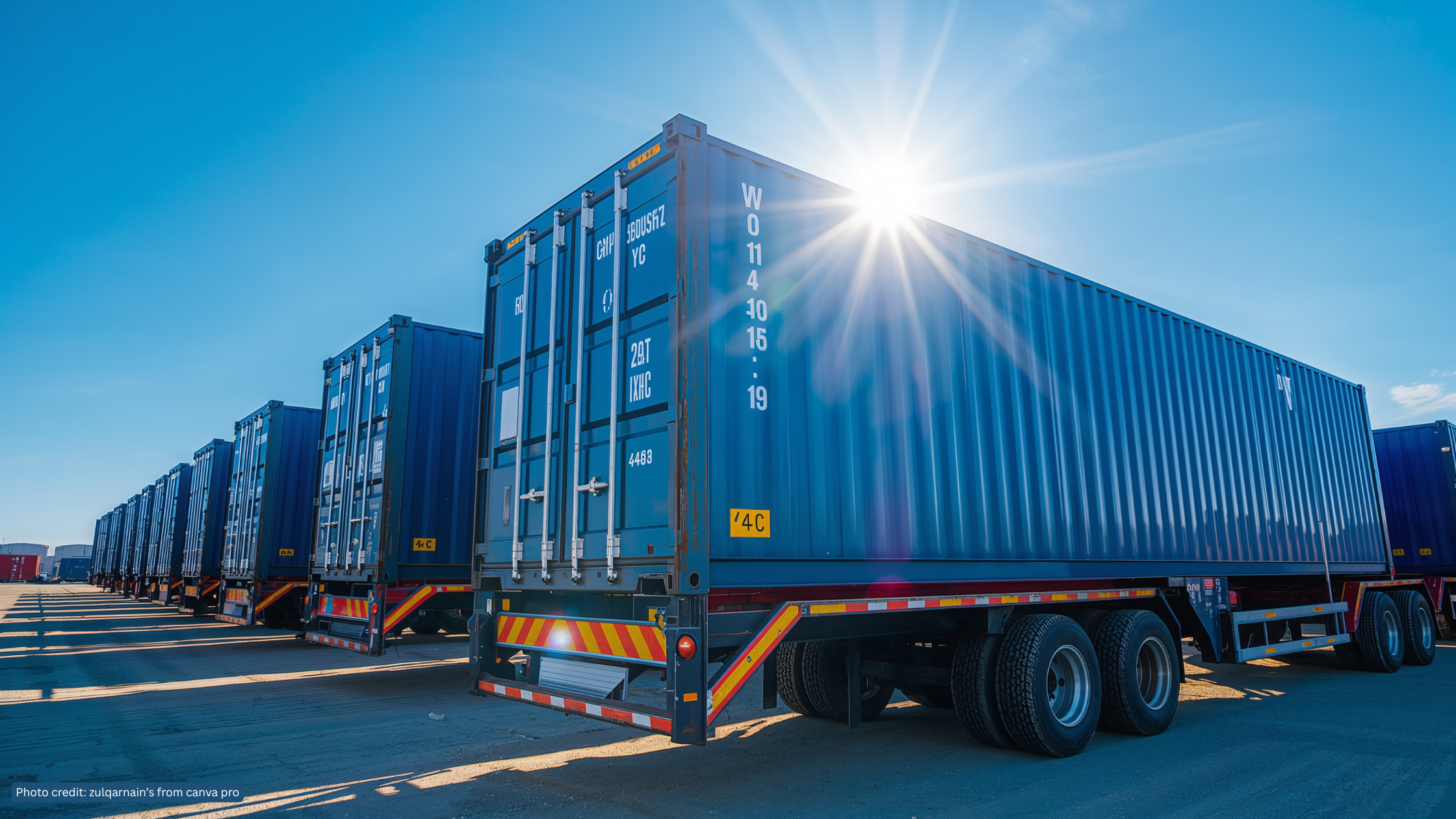
More than 30 small and medium-sized freight operators in Victoria will test lower-emission vehicles and infrastructure as the sector works

Online retail spending is growing considerably faster than spending in physical stores in New Zealand, increasing pressure on retailers to
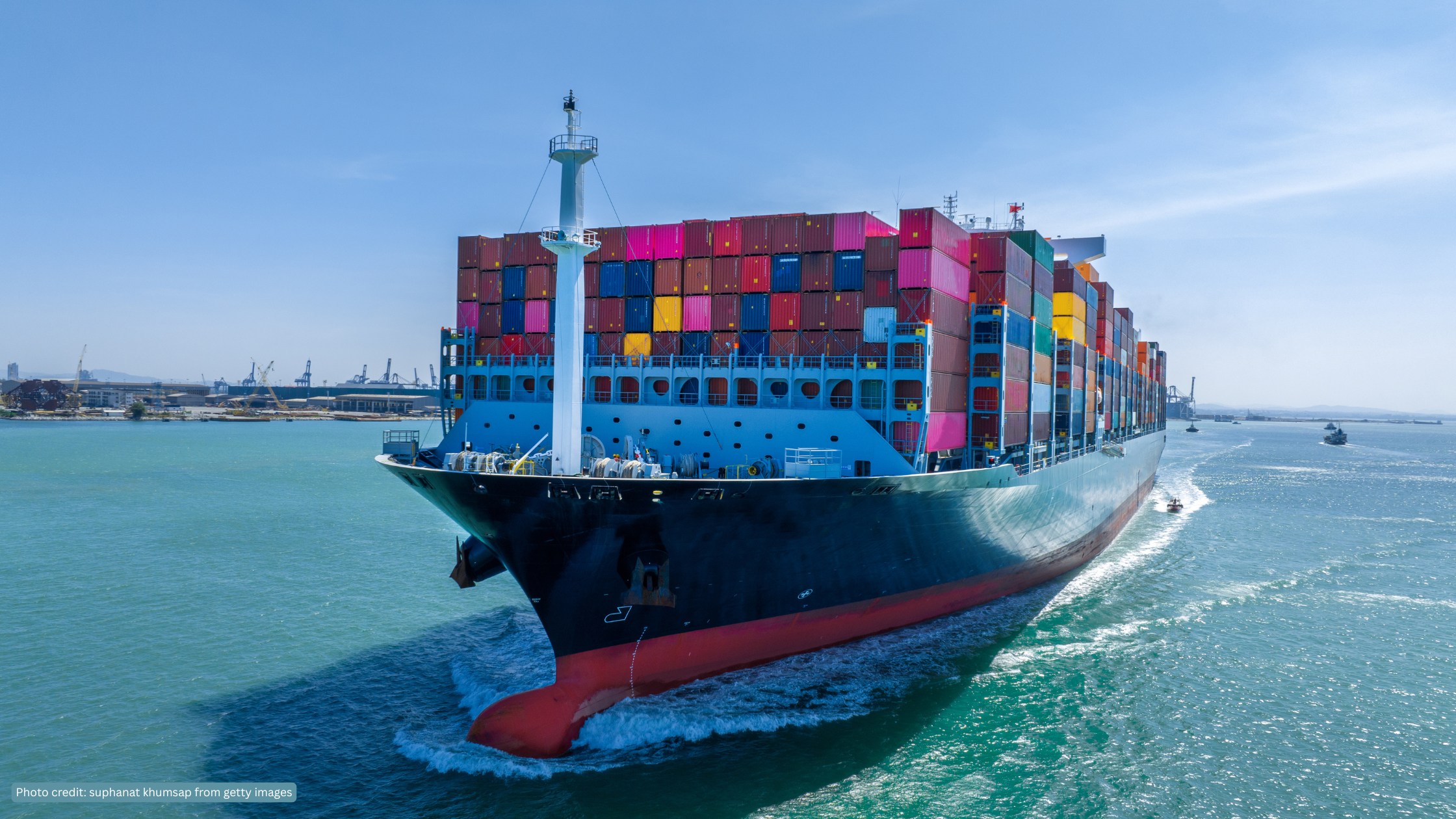
New Zealand’s transport and warehousing sector contracted in the June quarter as higher fuel costs increased pressure on freight operators,

The 15-kilometre M1 Pacific Motorway extension between Black Hill and Raymond Terrace has opened to traffic, completing a major road
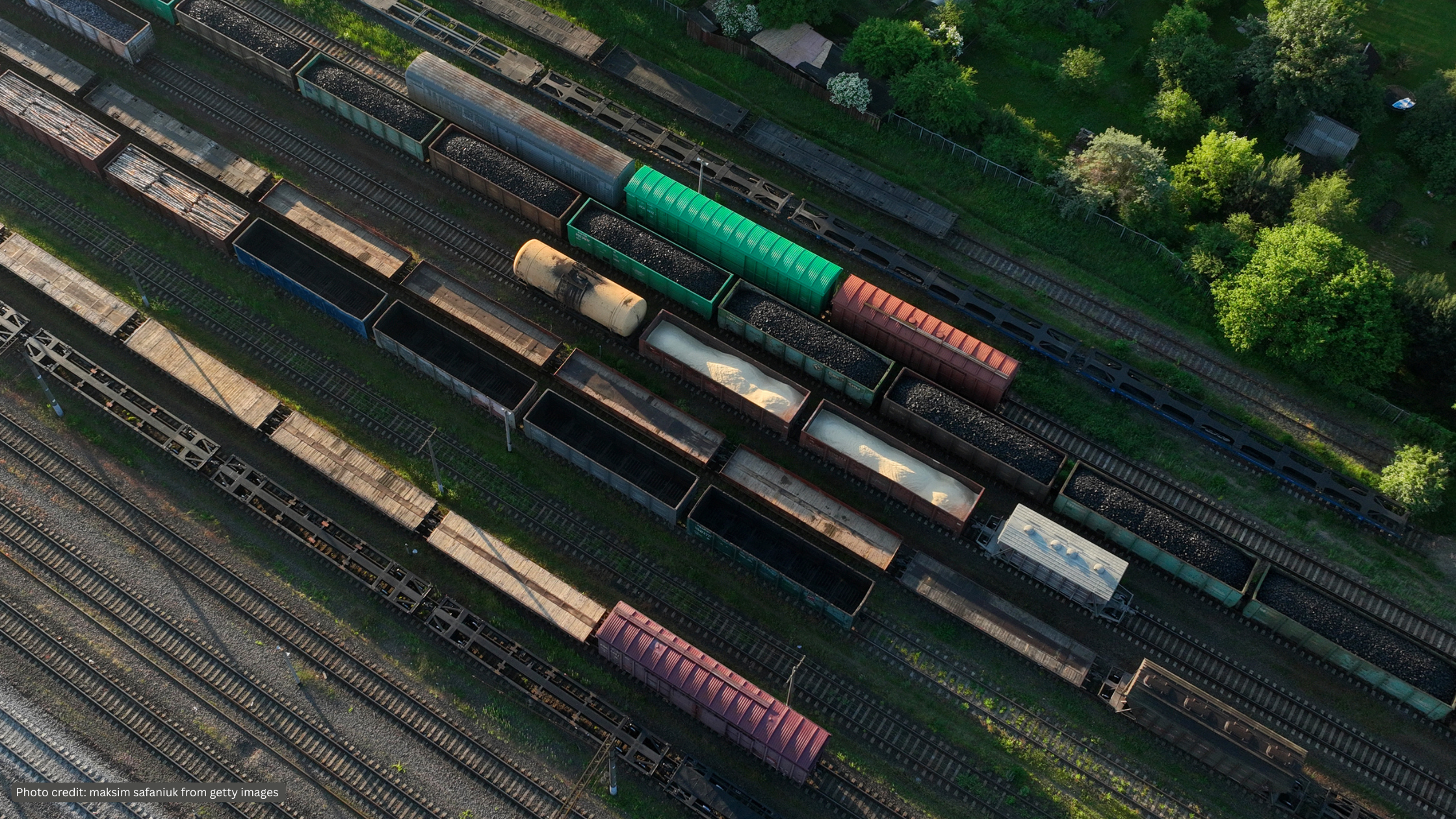
A new $26 million freight incentive program will test whether financial support can shift more containerised freight from Australian roads
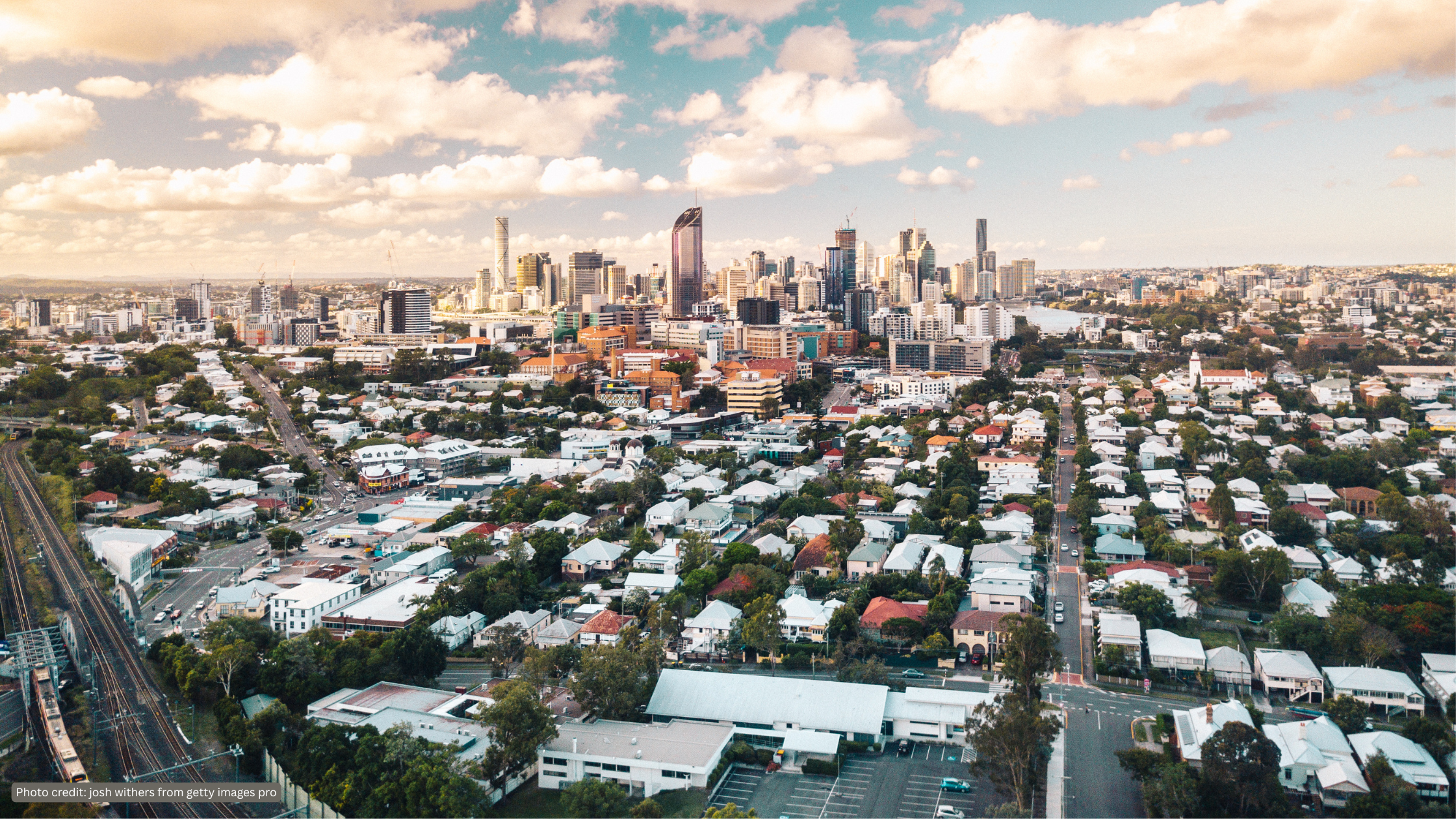
Greater Brisbane could exhaust its available industrial land supply by 2031 as demand from freight, logistics, construction and other industrial
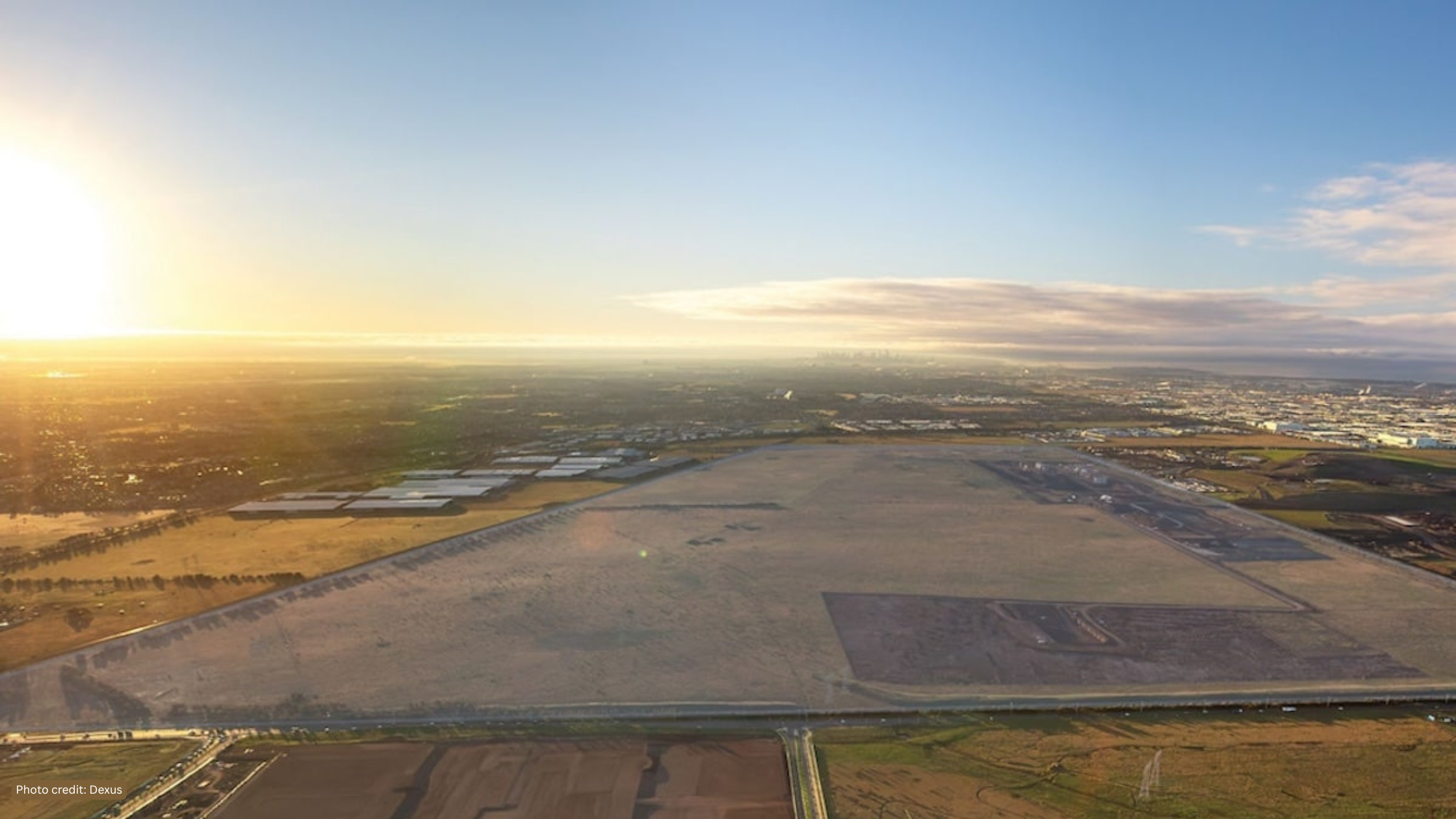
A proposed 630-hectare industrial precinct at Ravenhall could add approximately 2.5 million sqm of logistics and industrial space to Melbourne’s

A major shift in New Zealand’s gas market is increasing uncertainty for manufacturers and other energy-intensive businesses, raising questions about

Port of Tauranga has secured approval for its Stella Passage development, paving the way for an expansion that could almost

Infrastructure and servicing constraints are limiting the amount of industrial land available for new warehouses, logistics facilities and manufacturing operations
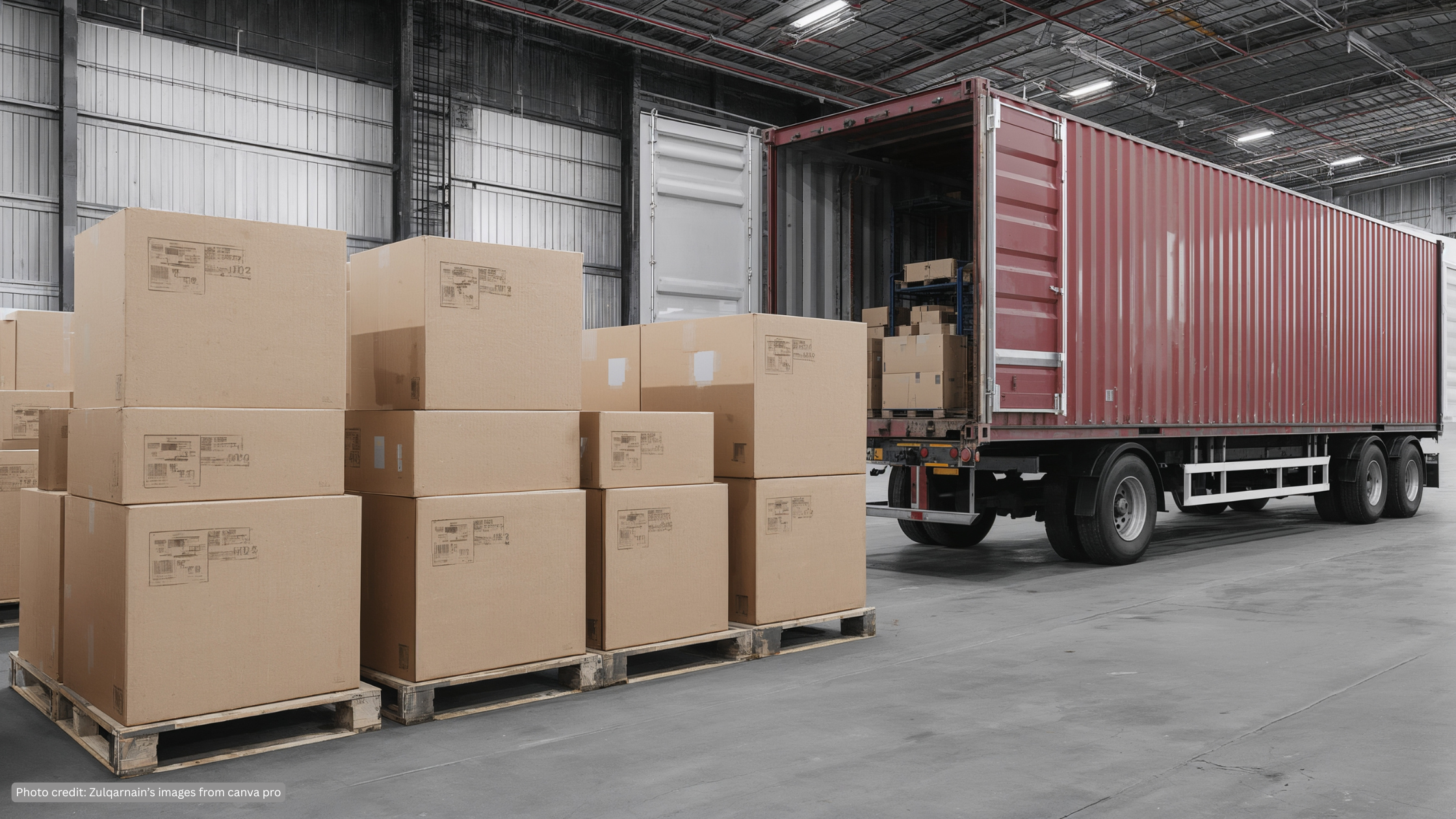
The NSW Government has set out a 20-year strategy to strengthen freight connections across the Central West and Orana, with