
The Human-AI Balance in Supply Chain is not 50/50
The goal is not to keep humans in every loop. It is to put human judgment where consequence and ambiguity

While automation has long changed the way freight moves, the next wave of AI will significantly redefine the human contribution behind global trade. For freight
Set to take place on 18–19 March 2026 at the Melbourne Convention & Exhibition Centre, the Retail Fulfilment Show 2026 will bring together retail, eCommerce,
Consumers are increasingly prioritising sustainability and ethical practices, and supply chain transparency has emerged as a critical factor influencing purchasing decisions. This shift is not
In the evolving landscape of global supply chains, businesses are re-evaluating traditional inventory strategies to enhance resilience and efficiency. The COVID-19 pandemic, coupled with geopolitical
Fraud in logistics has become a significant concern, with incidents such as cargo theft, double brokering, and document manipulation leading to substantial financial losses. To
As artificial intelligence accelerates across industries, nowhere is its dual power to disrupt and uplift more evident than within supply chains. The World Economic Forum’s
Many Supply Chain Consultancies employ smart solution engineers, analysts, and technology specialists who live and breathe detail. They’ll spend months developing great outcomes and building
For decades, supply chains have been designed to optimise efficiency, scale, and global reach. Yet as networks have grown larger and more interconnected, a quieter
As Australian supply chains come under mounting pressure from e-commerce growth, labour constraints and rising operational costs, warehouses are undergoing a fundamental transformation. Once viewed
The cost of manufacturing and logistics is rising because of inflation, in particular, growing labour costs. Traditional supply chain management is a rigid machine targeted
The post-holiday period has long been considered a quieter phase in retail and supply chain operations, but in 2026 that assumption no longer holds true.

The goal is not to keep humans in every loop. It is to put human judgment where consequence and ambiguity

A shipping label can look perfectly acceptable to the human eye and still create problems once a parcel enters a

Supply Chain Channel reported in January that retailers across Asia-Pacific were preparing to scale agentic AI across inventory and fulfilment.
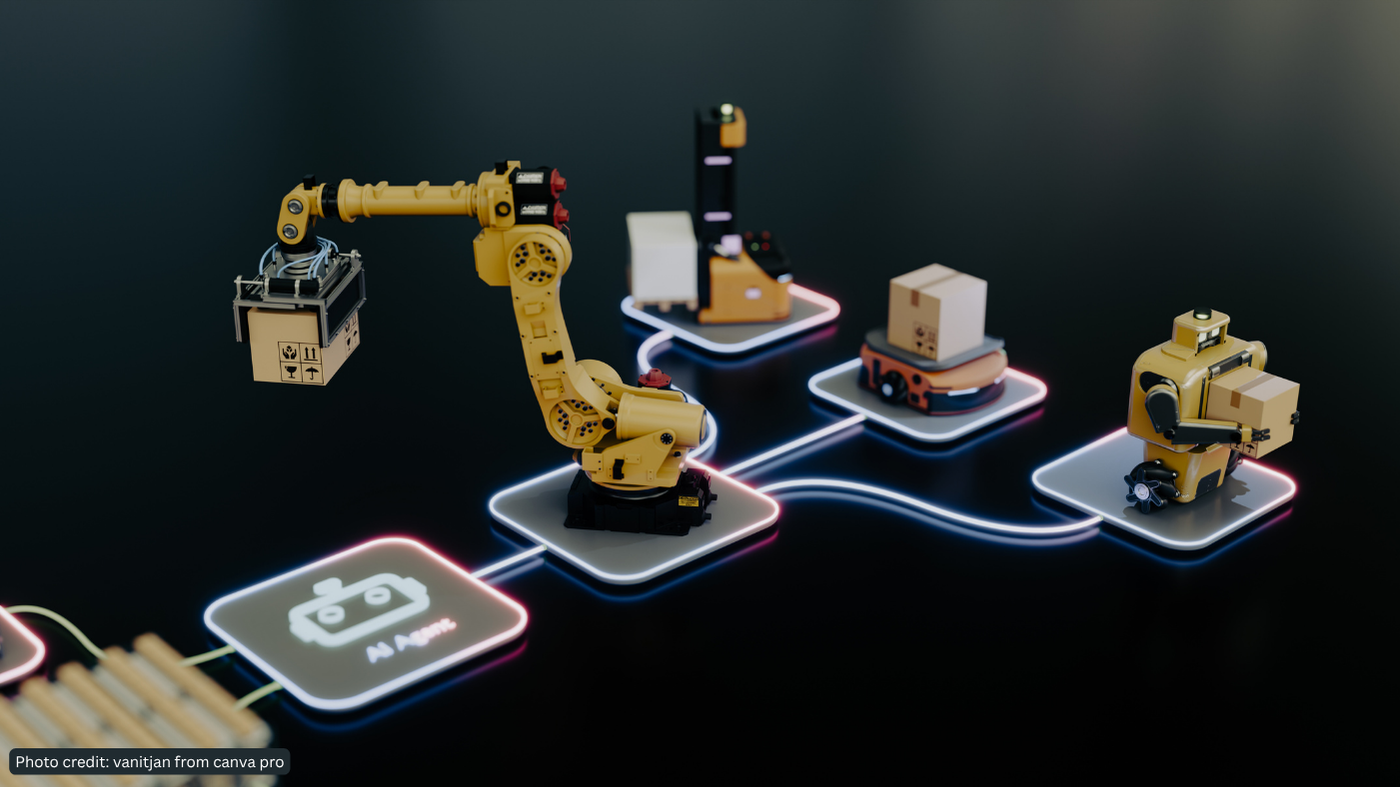
In Australian supply chains, disruption is no longer an occasional event. It is becoming part of the operating environment. Organisations
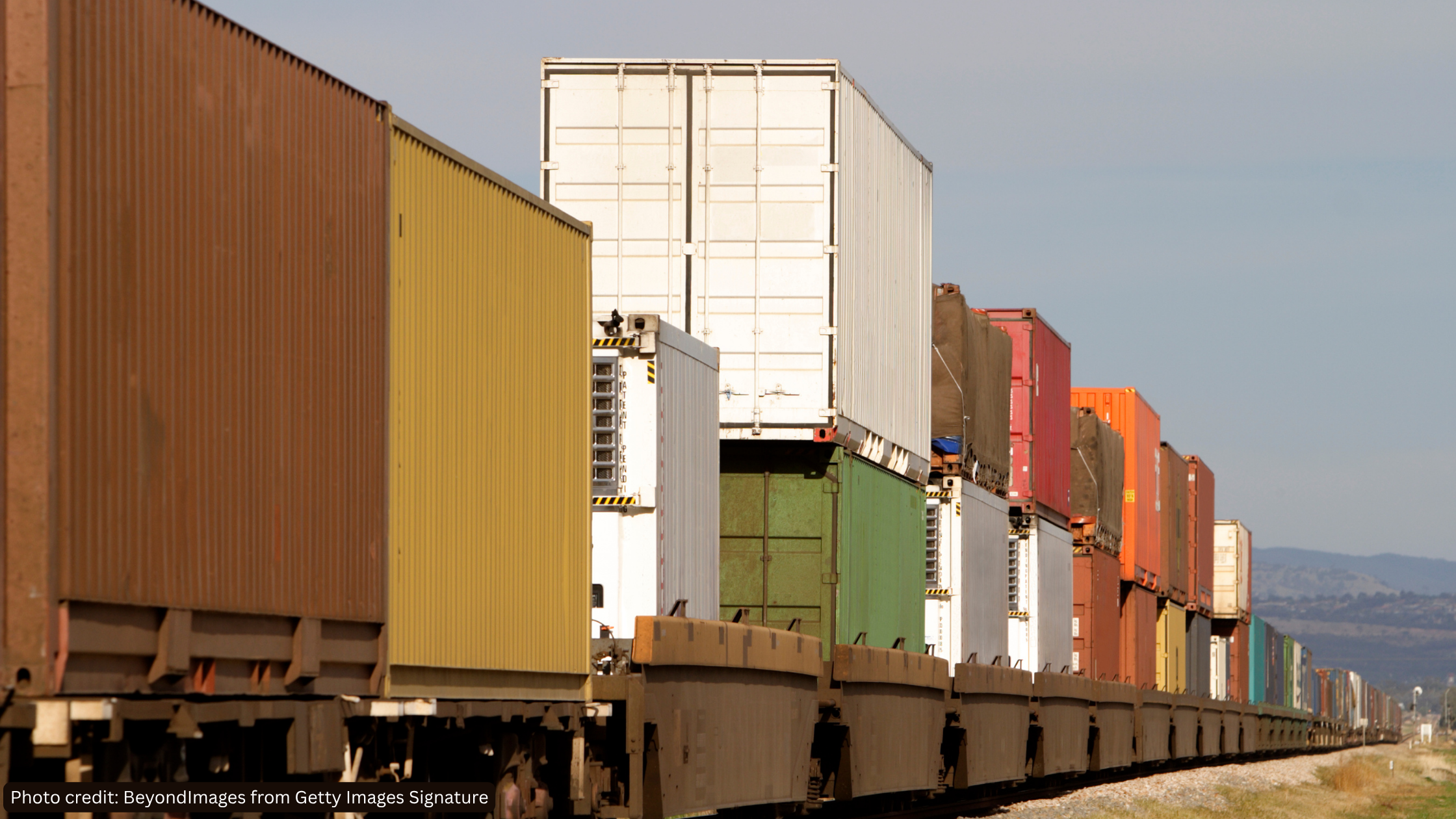
For many organisations, Freight Audit & Payment (FAP) remains one of the least glamorous parts of the supply chain. Its
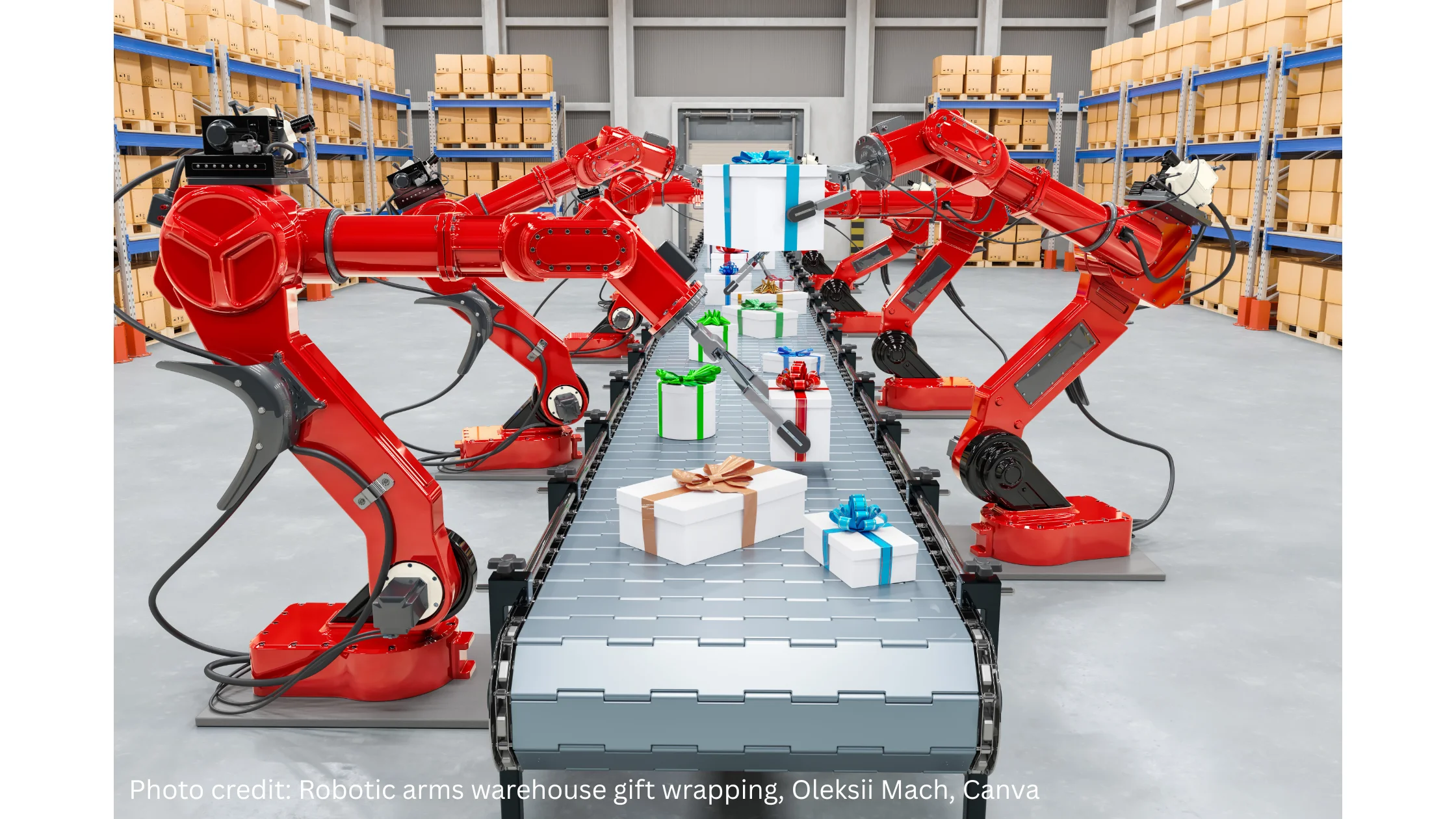
Australia’s online retail market continues to expand at an impressive pace, but attracting digital customers is no longer the greatest competitive
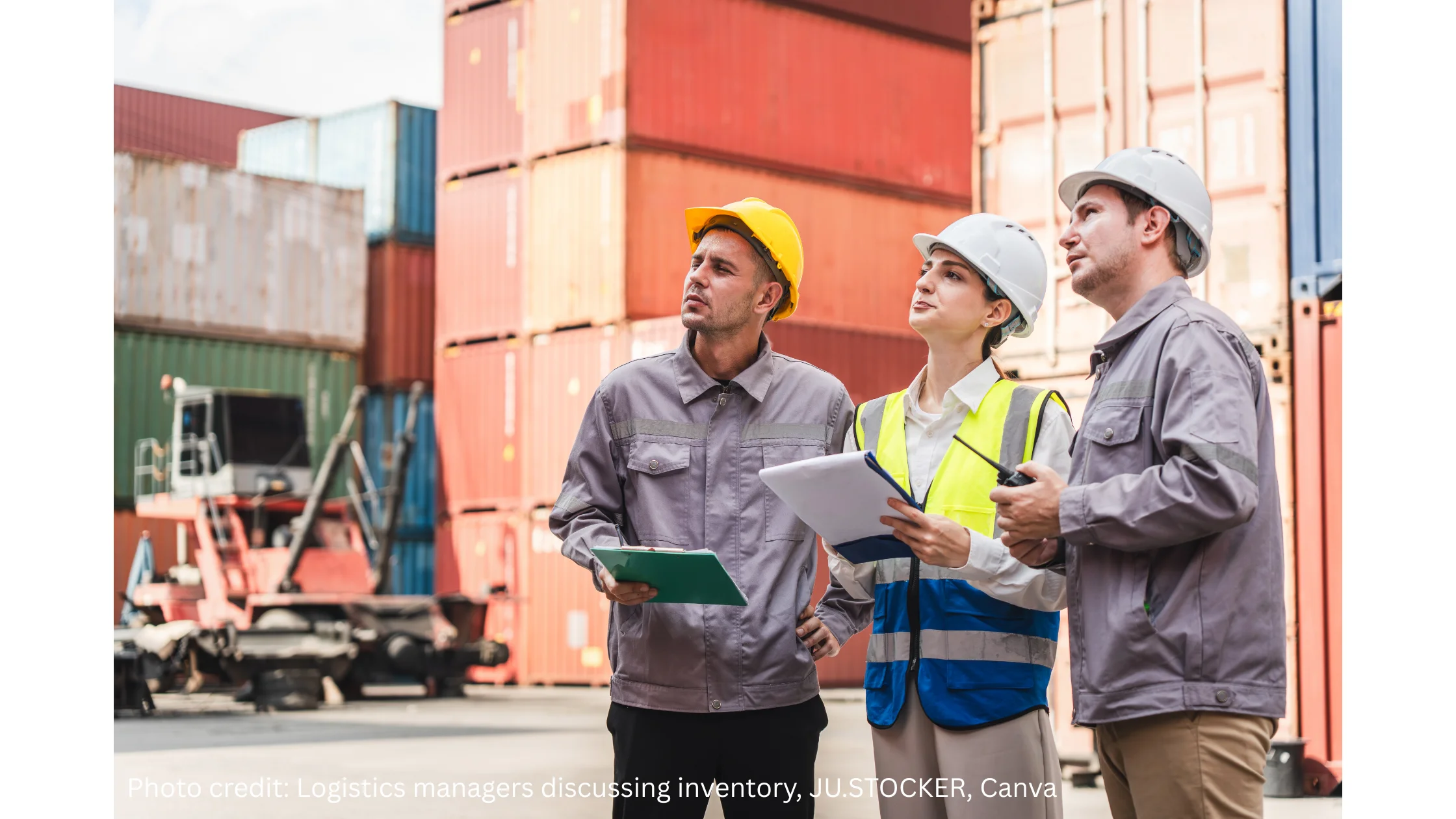
For businesses with shareholders, every supply chain decision ultimately influences value creation. Whether it involves selecting suppliers, managing inventory, determining fulfilment strategies, or designing logistics networks,
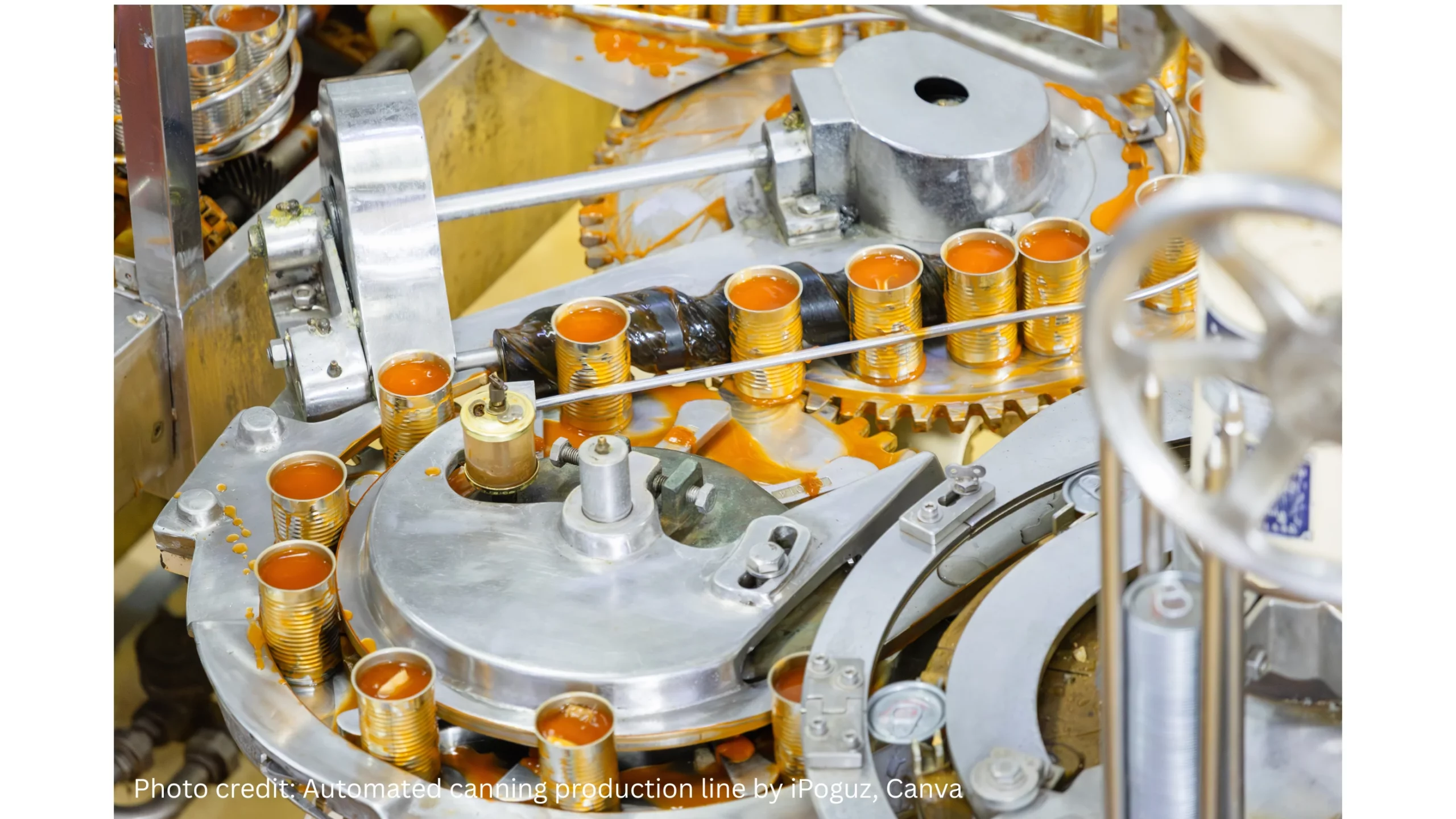
Australia’s FMCG industry has historically focused on cost efficiency. When your business centres around products with high turnover, every saving matters. However,
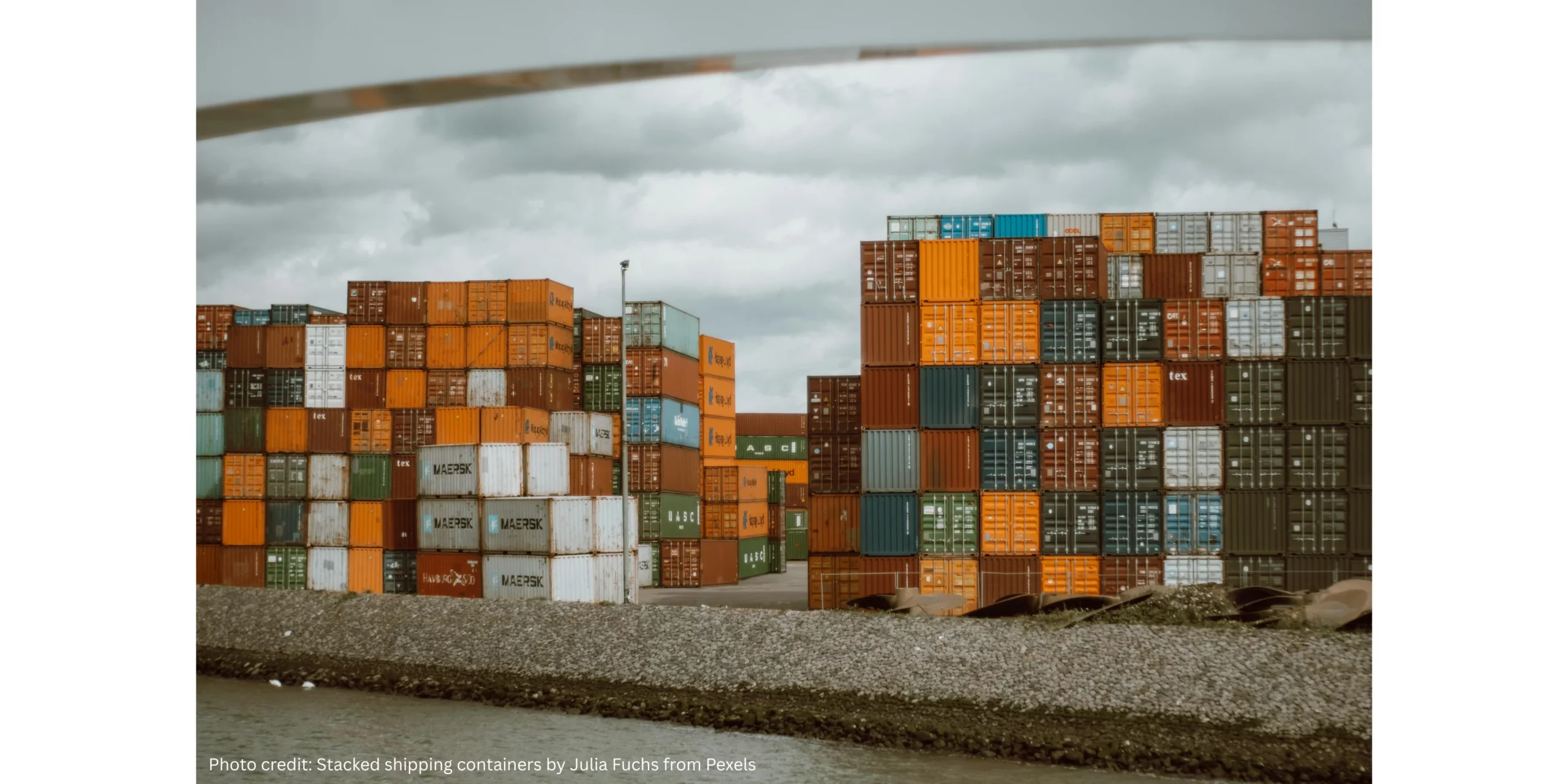
For many importers, supplier lead time is treated as a simple figure: eight weeks, 12 weeks or 16 weeks. That number often becomes the

For decades, freight forwarding operated on a simple premise: bigger was better. Major logistics players could afford the sophisticated routing

Artificial Intelligence is no longer an emerging advantage in Australia and New Zealand’s supply chains — it has become a

In the current volatile global economy, supply chains face constant disruption from economic instability, geopolitical tensions, shifting consumer demand and