

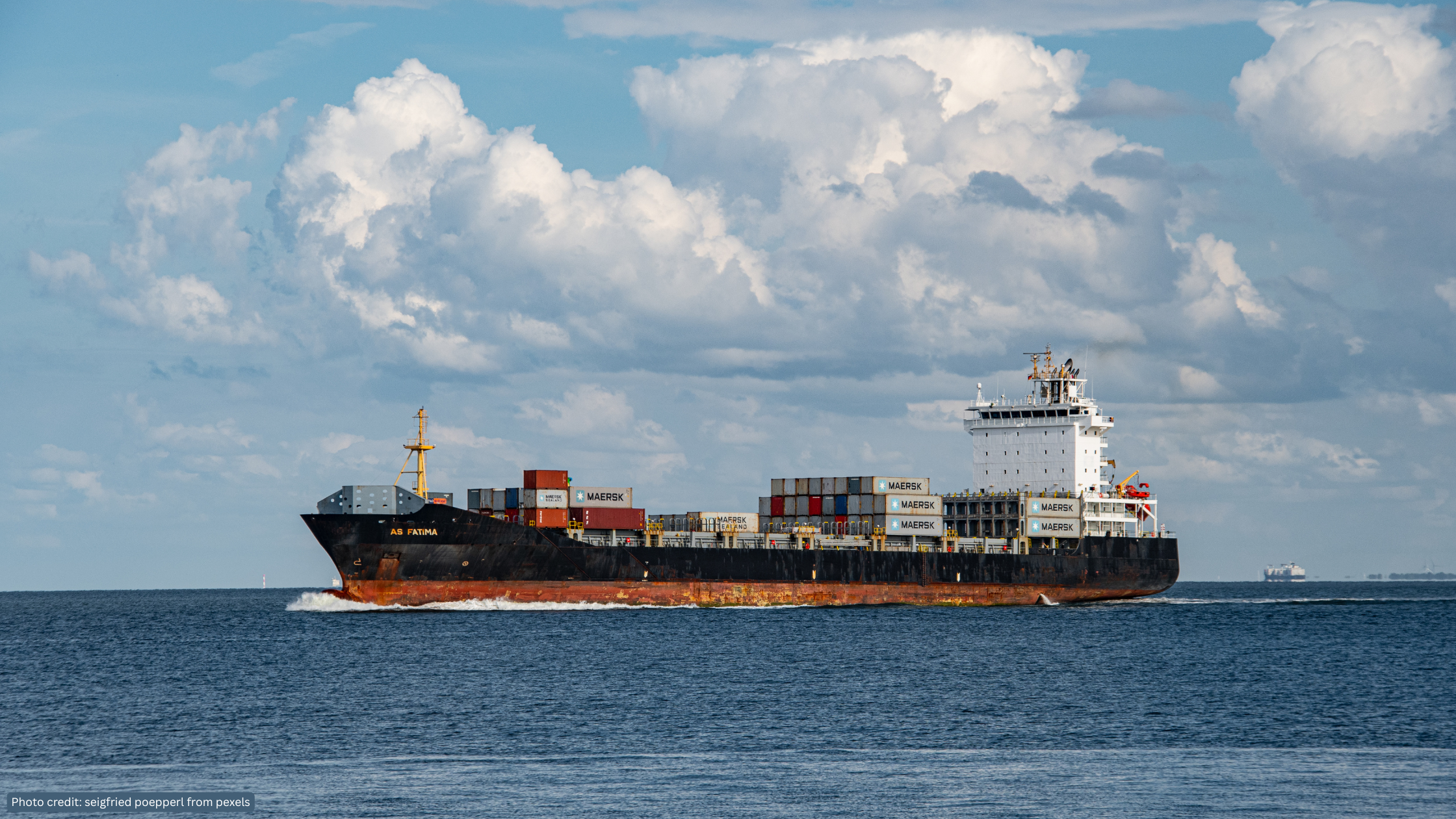
For New Zealand exporters, meeting a vessel’s departure date involves more than delivering a container to port. Cargo must arrive within the terminal’s receival window, documentation must meet carrier and customs requirements, and every party involved must work to the same schedule.
When one of these steps falls behind, a shipment can miss its planned sailing. The resulting delay may affect delivery commitments, inventory availability and downstream production or distribution schedules.
Recent changes to export procedures have highlighted the importance of planning these milestones carefully. Maersk announced in October 2026 that it would implement a “No Shipping Instruction, No Load” policy for cargo exported from New Zealand. The carrier warned that late or incomplete shipping instructions could delay bill-of-lading processing and result in cargo being rolled, held, returned or delayed.
The change reinforces a wider operational issue: exporters need to manage documentation and cargo readiness as part of the same shipment plan.
Documentation is part of the departure schedule
Shipping instructions provide carriers with information needed to prepare transport documents, including the bill of lading. Errors or missing details can delay the approval process, even when cargo is physically ready to leave.
Maersk’s October notice asks exporters to submit complete and accurate shipping instructions by the applicable deadline, review draft documentation promptly and request amendments without delay. Its stated process requires the verification copy to be completed no later than 38 hours before the vessel’s estimated arrival at the applicable load port.
Exporters must therefore coordinate information from several sources, including suppliers, freight forwarders, customs brokers and customers. A late change to cargo details or a missing instruction can create a problem that affects the entire shipment.
Physical receival deadlines matter as well. Napier Port changed its export cargo and container export documentation cut-off times from 31 August 2026. Under the updated arrangements, the standard cargo cut-off is 10am on the day before vessel arrival, while the container export documentation cut-off is noon on the day before arrival.
These requirements vary by carrier, port and shipment. Exporters need to verify the relevant deadlines for each booking rather than assume that one schedule applies across their network.
A missed sailing creates costs beyond freight
Missing a planned departure can have consequences that extend beyond the immediate delay.
An exporter may need to hold finished goods for longer, arrange additional storage or revise production plans. A shipment that arrives late can also disrupt a buyer’s inventory plan, delay an order or force a business to find alternative transport.
The financial impact depends on the cargo, the destination and the next available sailing. Perishable products may face tighter time constraints, while manufacturers sending components to overseas customers may need to manage production schedules and contractual delivery commitments.
A missed departure can also complicate coordination across the supply chain. Exporters may need to update customers, revise arrival estimates, rebook transport or arrange new documentation. When several parties maintain separate records, teams can spend valuable time confirming the latest shipment status.
The risk is particularly important for businesses that operate with limited inventory buffers or rely on regular departures to meet customer demand. A delay at the origin port can affect plans well beyond the immediate transport leg.
Build shipment readiness into the planning process
Exporters can reduce avoidable delays by treating cargo readiness, documentation and port receival as linked milestones.
A shipment plan should identify the relevant booking deadline, cargo cut-off, documentation requirements and the person responsible for each task. Teams should also allow time to correct errors rather than schedule every activity against the final permissible deadline.
Freight forwarders and exporters can establish internal deadlines that fall ahead of carrier cut-offs. This gives the parties time to resolve missing information, correct shipping instructions and address changes to cargo details before they threaten the booking.
Businesses should also establish a clear process for escalating exceptions. If a supplier cannot provide the required information on time or a container will miss its receival window, the responsible team needs to know who can make the decision and communicate the consequences.
Visibility matters throughout this process. A shared shipment record can help teams track booking status, documentation approval, cargo readiness and outstanding actions. However, the value comes from assigning responsibility and acting on exceptions, not simply displaying another status dashboard.
Plan for the next departure, not just the booked one
Even well-managed shipments can face disruption. Vessel schedules change, congestion can delay cargo movements, and documentation errors may emerge late in the process. Exporters need contingency plans that identify the next available sailing, the cost of holding cargo and the implications for customer commitments.
That does not mean every business should carry more inventory or pay for faster transport. The appropriate response depends on product value, demand patterns, lead times and the consequences of a missed delivery.
For New Zealand exporters, reliable shipment planning depends on coordinating information and physical movements before cargo reaches the port. A booking confirms an intended departure, but it does not guarantee that the shipment is ready to load.
The businesses best placed to manage these risks are those that treat every cut-off as an operational milestone, resolve exceptions early and understand the consequences when a shipment misses its planned sailing.

Yvette is a Content Producer at Akolade, producing stories for Supply Chain Channel, an Australian learning ecosystem created to address the need for information, networking, case studies, and empowerment for everyone in the supply chain sector.