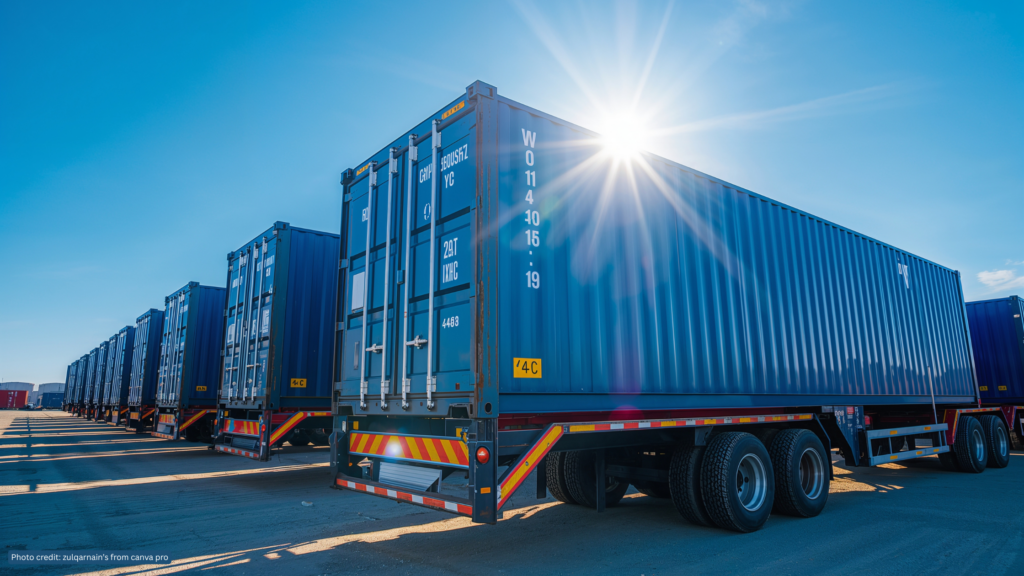

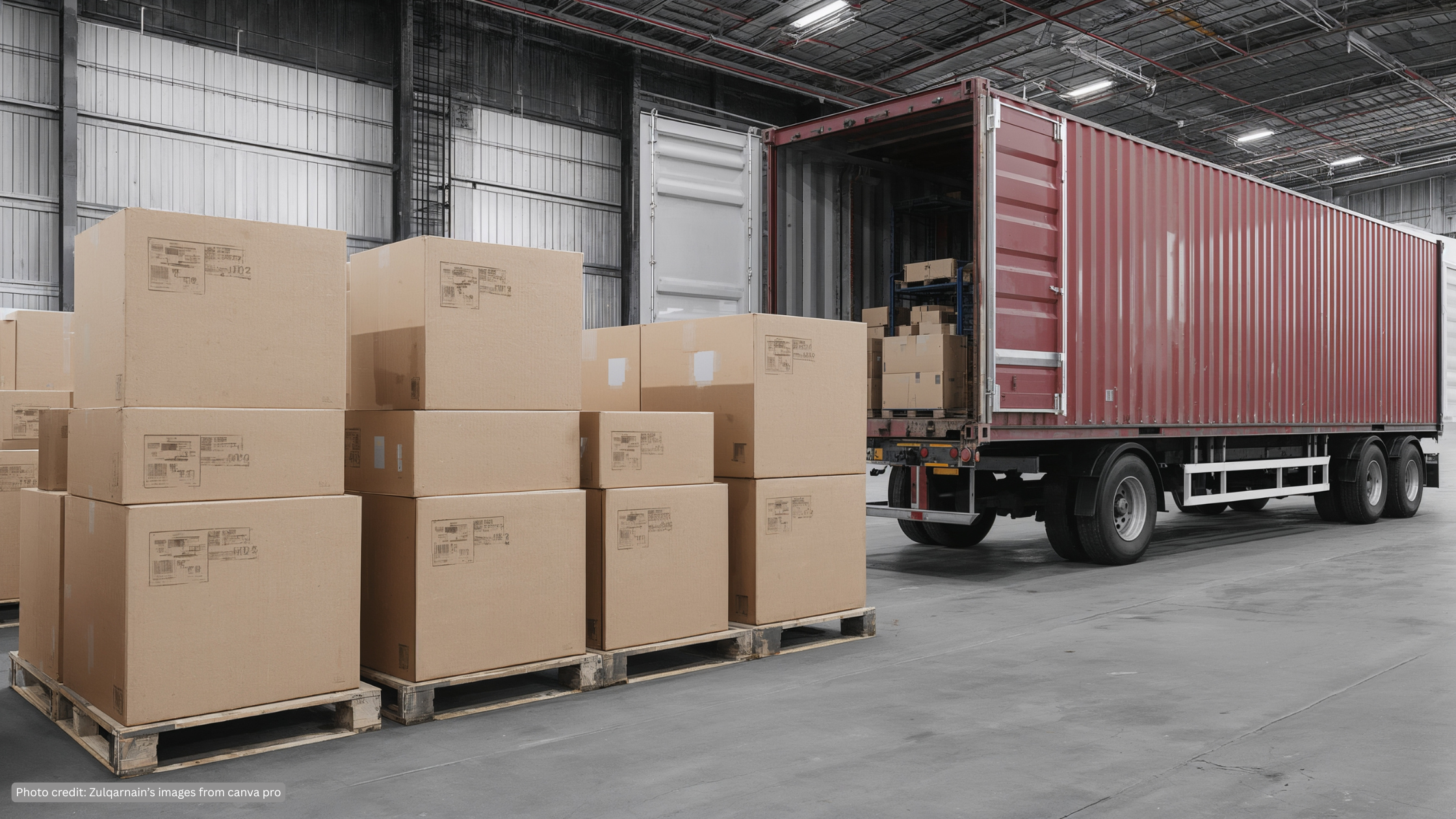
The NSW Government has set out a 20-year strategy to strengthen freight connections across the Central West and Orana, with plans to increase rail freight, improve access to intermodal terminals and build greater resilience into regional road networks.
The final Central West and Orana Strategic Regional Integrated Transport Plan outlines transport priorities for a region spanning almost 13 million hectares and 19 local government areas.
Transport for NSW developed the plan following consultation with communities, councils, industry representatives and other stakeholders.
Agriculture, logistics and mining generate significant freight movements across the region, while investment associated with the Central-West Orana Renewable Energy Zone is expected to place additional demands on transport infrastructure.
Plan targets stronger freight connections
Under the strategy, Transport for NSW will develop a dedicated freight network plan to improve road connections to intermodal terminals and support greater use of rail to move goods.
The government will also investigate rail infrastructure upgrades that could accommodate more frequent services between Dubbo, Orange, Bathurst, Lithgow and Sydney.
Increasing rail’s share of the regional freight task could provide businesses with additional transport options while reducing pressure on road corridors.
The plan also proposes investigating bypasses around population centres where state roads currently serve both local traffic and through-freight movements.
NSW Minister for Roads and Regional Transport Jenny Aitchison said the strategy reflects feedback gathered from regional stakeholders.
“We’ve listened to communities, councils and industry, and this plan sets out a clear pathway to deliver the transport connections they asked for, now and over the next 20 years,” Aitchison said.
Key road corridors under review
The NSW Government will also develop a program of work addressing challenges and opportunities along the Great Western Highway and Bells Line of Road between Bathurst and Western Sydney.
Both corridors provide important connections between the Central West and Greater Sydney, making their reliability significant for businesses moving goods between regional production centres and metropolitan markets.
The strategy also recognises the role of local roads in completing freight journeys.
Transport for NSW will investigate a streamlined funding model to help councils maintain and upgrade local road networks over the longer term.
The approach could give councils greater certainty when planning road maintenance and upgrades, particularly where local infrastructure carries heavy freight traffic generated by agriculture, mining and other industries.
Private investment adds to future freight demand
Private-sector investment across the Central West and Orana is also adding to the importance of long-term freight planning.
Cenagen, which is progressing plans to redevelop the former Kandos Cement Works as a circular-economy precinct, raised freight capacity and transport connectivity in its submission on the draft regional transport plan in February 2026.
The company is proposing an approximately $1 billion development at Kandos, centred on a green methanol manufacturing facility alongside intensive food production and other industrial operations. Cenagen estimates the project could create 300 to 350 permanent full-time jobs.
Its proposal would also involve substantial movement of materials. Cenagen plans to process residual municipal, commercial and industrial waste streams as feedstock for the precinct, with the proposed operation designed to divert more than 450,000 tonnes of waste from landfill annually.
In its submission, the company argued that regional transport planning needs to consider the freight requirements created by emerging industrial developments and ensure road and rail infrastructure can accommodate future demand.
The proposal provides an example of how new manufacturing and energy-related investment could reshape freight movements across the region over the life of the 20-year transport strategy.
Regional growth increases transport demand
More than 290,000 people live across the Central West and Orana, with population growth expected to place further demand on the region’s transport network.
Orange, Bathurst, Dubbo and Mudgee are among the major regional centres expected to accommodate future growth.
At the same time, agriculture, mining, logistics, health and tourism will continue to generate transport demand, while development associated with the Central-West Orana Renewable Energy Zone is expected to increase activity across parts of the network.
The combination of population growth and industrial development means freight infrastructure will need to accommodate increasing demand while maintaining reliable connections between regional businesses and major markets.
Regional businesses depend on local connections
Dubbo Mayor Josh Black welcomed the plan’s focus on freight movements, road capacity and support for local networks.
“It’s great to see practical outcomes from this plan, freight moving efficiently, roads that can handle growth, and councils properly supported to maintain the local networks our communities rely on every day,” Black said.
Local roads play an important role in regional supply chains because the first and final stages of many freight journeys take place on council-managed infrastructure before vehicles reach state and national corridors.
Improving those connections could help reduce bottlenecks between farms, industrial sites, intermodal terminals and major transport routes.
Building resilience into regional supply chains
The strategy places both road and rail infrastructure at the centre of the region’s long-term freight planning.
Greater use of rail could diversify transport options for regional businesses, while improved intermodal connections could make it easier to transfer goods between road and rail networks.
More resilient road corridors and stronger local networks could also reduce the impact of disruptions on businesses that depend on reliable access to Sydney and other markets.
For supply chain operators, the strategy recognises that regional freight efficiency depends on more than individual highway or rail projects. Local roads, state highways, rail infrastructure and intermodal terminals need to function as a connected network.
The Central West and Orana strategy forms part of nine regional transport plans being developed across regional NSW.
As freight volumes, industrial investment, renewable energy development and population growth reshape the Central West and Orana, the plan provides a framework for how the region’s transport network could evolve over the next two decades.

Yvette is a Content Producer at Akolade, producing stories for Supply Chain Channel, an Australian learning ecosystem created to address the need for information, networking, case studies, and empowerment for everyone in the supply chain sector.