
Retail supply chains once followed a relatively straightforward path. Products moved from suppliers to distribution centres, then to stores where customers made their purchases.
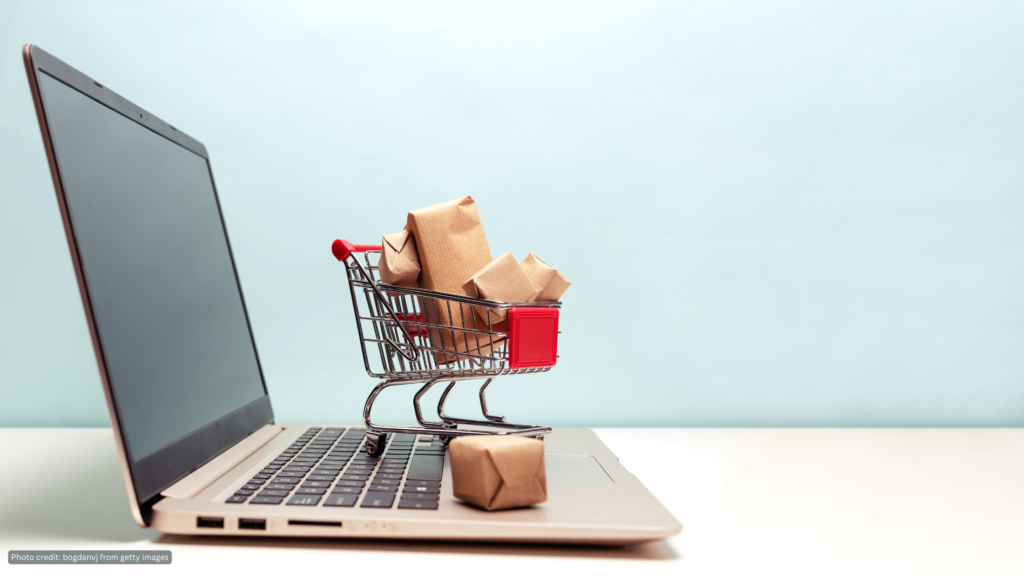
E-commerce changed that model.
Retailers now need to fulfil orders to homes, collection points and stores while maintaining enough inventory on shelves for customers who still prefer to shop in person.
The result is an increasingly interconnected retail supply chain where online and in-store fulfilment can no longer operate as entirely separate channels.
For retailers, the challenge is not simply deciding between physical and digital retail. It is managing inventory, warehouses and transport networks that can support both.
One inventory pool, multiple destinations
Inventory sits at the centre of omnichannel retail.
Under a traditional store-based model, retailers allocate stock to individual locations based largely on expected demand in each area.
Online retail changes that equation because customers can potentially purchase inventory from anywhere within the fulfilment network.
A product ordered online might come from a central distribution centre, a dedicated fulfilment centre or even a nearby retail store.
This creates more options for retailers, but it also increases the importance of knowing exactly where inventory sits and whether it is available for sale.
Poor inventory visibility can result in a retailer accepting an online order for an item that is no longer available at the location expected to fulfil it.
Conversely, inventory sitting unsold in one store may be able to satisfy demand elsewhere if systems can identify and allocate it.
Omnichannel fulfilment therefore turns inventory visibility from a useful capability into a core operational requirement.
Warehouses need to handle different order profiles
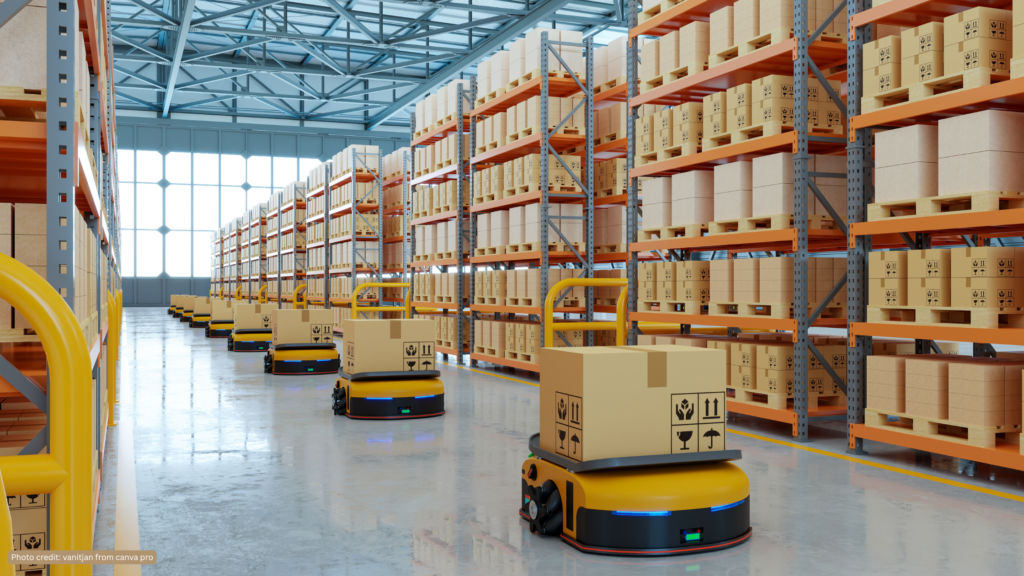
Online and store replenishment place different demands on distribution centres.
Traditional retail distribution often involves moving larger quantities of products from warehouses to stores. Workers may pick full cartons or pallets before consolidating them for
delivery to individual retail locations.
E-commerce frequently reverses that pattern.
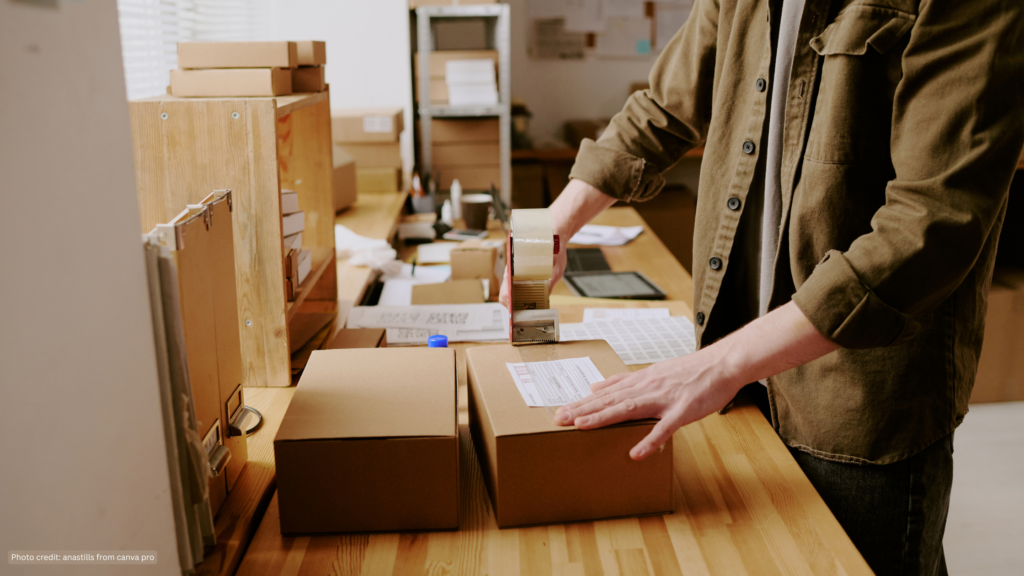
Instead of sending hundreds of units to a store, a fulfilment centre may need to pick individual products for thousands of separate customer orders.
Each order may require picking, packing, labelling and dispatch before entering a parcel or last-mile delivery network.
The difference changes how warehouses use labour, automation and space.
Facilities supporting both channels may need to process bulk store replenishment alongside individual online orders without allowing one workflow to disrupt the other.
Retailers therefore need to consider not only how much inventory a warehouse can hold but also what types of orders it needs to process.
Stores are becoming part of the fulfilment network
Physical stores increasingly perform functions that extend beyond displaying and selling products.
Some retailers use stores to fulfil online orders through ship-from-store models. Others allow customers to order online and collect purchases from a store through click-and-collect services.
These approaches can turn an existing retail network into an additional layer of fulfilment infrastructure.
A store located close to a customer may be able to fulfil an order faster than a distribution centre hundreds of kilometres away.
Using store inventory can also help retailers sell products that might otherwise remain on shelves while online demand exists elsewhere.
But stores were not necessarily designed to operate as miniature warehouses.
Employees may need to locate and pick online orders while continuing to serve customers.
Stores require space to hold completed orders, manage collections and process returns.
High volumes of online orders can therefore create operational pressure if retailers add fulfilment tasks without adjusting store processes.
Transport networks become more complex
Omnichannel retail also changes how products move.
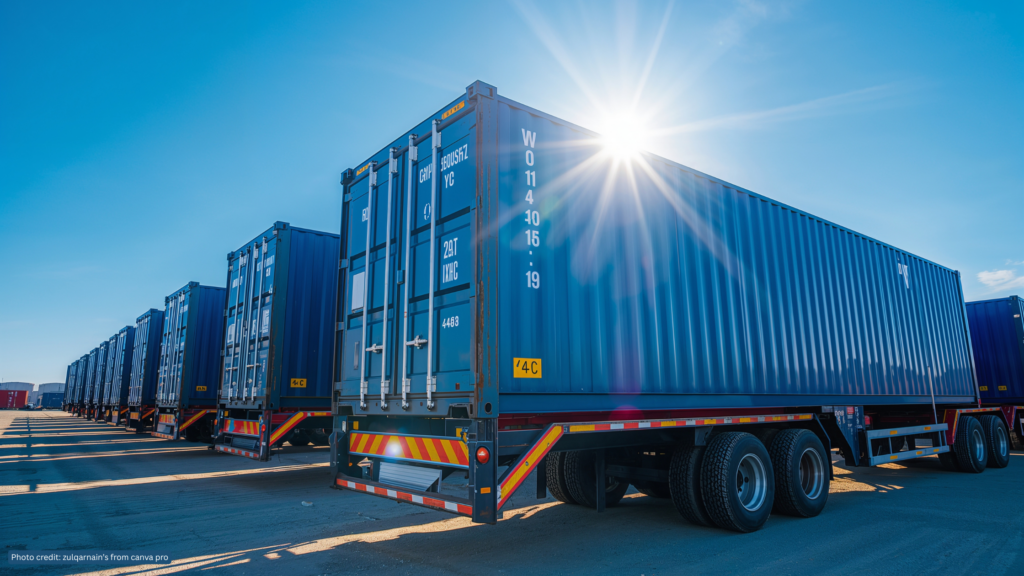
A traditional store replenishment network can consolidate large quantities of freight into scheduled deliveries to a relatively limited number of destinations.
Home delivery creates a very different transport task.
Instead of delivering many products to one store, carriers may need to deliver individual parcels to hundreds or thousands of addresses.
That fragmentation makes the last mile one of the more complex parts of e-commerce fulfilment.
Retailers also need to manage movements between distribution centres and stores, customer collections, home deliveries and returns.
The fastest fulfilment option is not always the most efficient.
Sending an online order from a distant warehouse may increase transport distance when the same product is available closer to the customer. Equally, fulfilling every order from the nearest store may create additional operational complexity or deplete inventory intended for local shoppers.
The challenge is determining which fulfilment point provides the best balance of inventory availability, transport cost and customer service.
Click-and-collect connects digital and physical retail
Click-and-collect demonstrates how online and physical retail can complement rather than replace each other.
Customers receive the convenience of browsing and purchasing online while collecting their orders from an existing store or collection point.
For retailers, this can reduce some of the last-mile delivery requirements associated with home delivery.
However, the model still requires coordination behind the scenes.
Systems need to identify available inventory, direct the order to an appropriate location and ensure staff can prepare it before the customer arrives.
Retailers also need processes for orders that customers do not collect, substitutions when stock is unavailable and periods when collection volumes surge.
The customer may experience click-and-collect as a simple transaction, but the supply chain supporting it depends on accurate inventory and coordinated store operations.
Returns add another layer
Selling through multiple channels also means accepting products back through multiple channels.
A customer might purchase an item online and return it to a physical store. Another may send the product back through a parcel network.
Once returned, retailers need to determine whether the item can go back into inventory, move to another location, undergo refurbishment or follow another recovery or disposal pathway.
This reverse flow can be considerably more complicated than the original delivery.
Returns also illustrate why retailers need to think about their networks as a whole.
Treating online and physical channels separately can create unnecessary movements if returned products cannot easily move between them.
An integrated network can provide more options for putting returned inventory back into circulation.
Convenience creates supply chain complexity
Omnichannel retail can make shopping simpler for customers.
They can browse online, check stock, choose home delivery, collect from a store or return products through different channels.
Behind that convenience sits a much more complicated supply chain.
Retailers need accurate inventory data, warehouses capable of handling different order profiles, stores that can support fulfilment activities and transport networks capable of moving both consolidated freight and individual parcels.
Customer expectations can add further pressure.
Fast delivery promises may require retailers to hold inventory closer to demand, while broad product ranges can increase the number of stock-keeping units that supply chains need to manage.
The challenge becomes providing convenience without adding unnecessary inventory, transport movements and operating costs.
Physical stores still have a supply chain role
The growth of e-commerce has not removed the logistics value of physical retail networks.
Stores can provide inventory close to customers, support collection and returns and, in some cases, operate as fulfilment points.
At the same time, centralised warehouses remain important because they allow retailers to consolidate inventory and process orders at scale.
The two models offer different advantages.
Centralised fulfilment can create efficiency by concentrating inventory and operations in fewer locations. Distributed fulfilment can position products closer to customers and provide more options for responding to local demand.
Omnichannel retail increasingly combines the two.
The goal is not online versus in-store
For supply chain operators, the future of retail fulfilment is less about choosing between e-commerce and physical stores than determining how each fits within the same network.
Inventory needs to move to whichever channel has demand. Warehouses need to support different order profiles. Stores increasingly need to interact with digital fulfilment, while transport networks must handle everything from consolidated store deliveries to individual customer parcels.
The businesses that manage this effectively will not necessarily be those with the largest number of warehouses or stores.
The more important capability is coordination.
When retailers can see inventory across their networks and determine the most appropriate location to fulfil each order, physical and digital channels can support rather than compete with each other.
For the supply chain, that is ultimately what omnichannel retail represents: not more ways to sell a product, but more ways to decide where that product should be stored, picked, moved and delivered.
Also read: Adapting Supply Chains to Meet the Demands of Online Retail Growth

Yvette is a Content Producer at Akolade, producing stories for Supply Chain Channel, an Australian learning ecosystem created to address the need for information, networking, case studies, and empowerment for everyone in the supply chain sector.