
Smaller warehouse operators are increasingly able to automate individual processes as modular technology lowers barriers to investment, but labour requirements, throughput constraints and integration costs remain central to whether automation delivers a return.
New research from supply chain consultancy Prological suggests businesses no longer necessarily need the scale of a major distribution centre to consider warehouse automation.
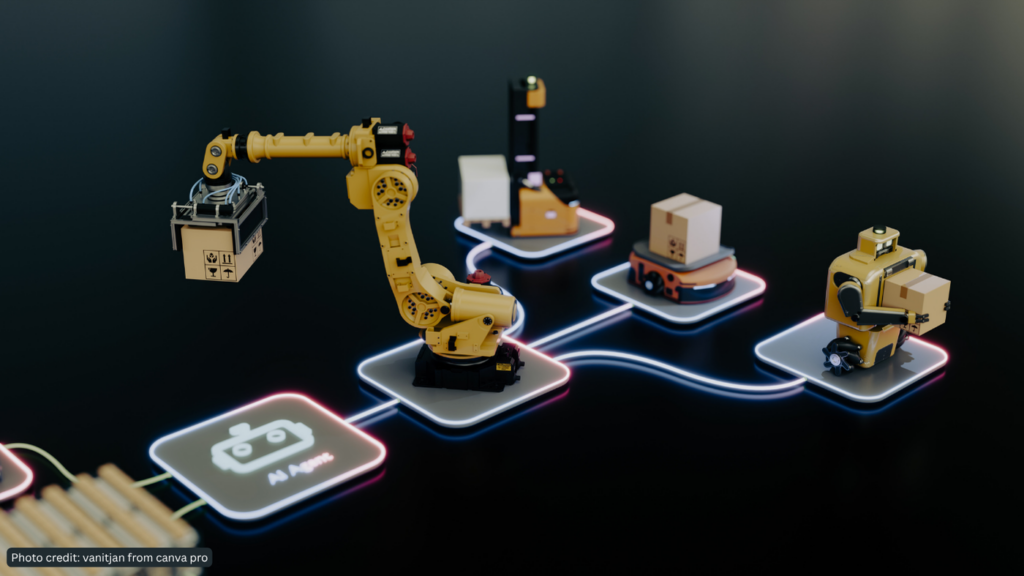
Instead of automating an entire facility, smaller operators can target repetitive processes such as goods movement, pallet handling, unloading or picking where labour requirements and operational bottlenecks are concentrated.
The question for SMEs is therefore becoming less about whether automation is accessible and more about which warehouse processes, if any, present a strong enough business case to automate.
Labour and goods movement drive the equation
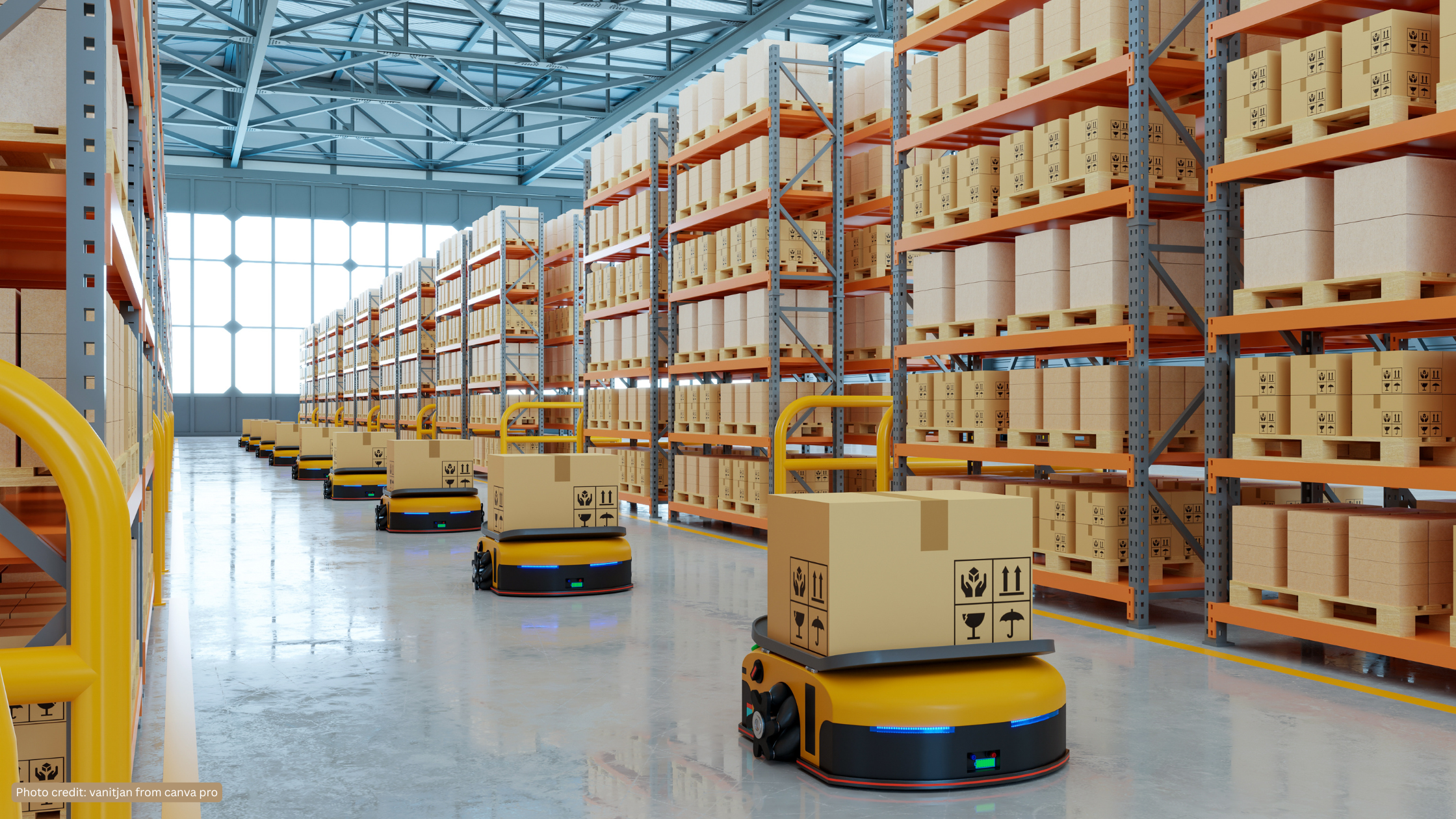
Internal goods movement is one area where automation could potentially improve warehouse productivity.
Prological estimates that around 60 per cent of personnel costs on a typical warehouse floor can be associated with moving goods between receiving and storage, and between picking and dispatch.
While these movements are essential, time spent transporting pallets or travelling between warehouse locations can reduce the labour available for other activities.
For warehouses facing higher labour costs, recruitment difficulties or throughput constraints, reducing repetitive movement can therefore become an operational priority.
Automation does not necessarily need to cover the entire facility.
An operator could introduce technology into one repetitive process while retaining manual operations elsewhere, allowing the business to measure productivity gains before committing additional capital.
Smaller warehouses enter the automation equation
Warehouse automation has traditionally been associated with large distribution centres handling substantial and predictable order volumes.
Large automated storage and retrieval systems, conveyor networks and other fixed infrastructure can require significant capital and long implementation periods.
More modular equipment has widened the range of options available to smaller operations.
Prological estimates that some automated systems can now add value in warehouses as small as 1,000 sqm. It also identifies annual business turnover of around $30 million as a potential point at which direct investment becomes more viable.
These figures are estimates rather than universal thresholds.
Two warehouses of the same size can have very different requirements depending on order volumes, product characteristics, operating hours, labour costs and customer service expectations.
A warehouse experiencing frequent picking bottlenecks may have a stronger case for investment than a larger facility with relatively simple and predictable workflows.
The operational problem comes first
Lower technology costs do not automatically make automation worthwhile.
Before selecting equipment, operators need to identify the constraint they are trying to address.
Labour availability may be the primary concern in one facility, while another may need greater throughput, improved order accuracy or better use of limited warehouse space.
Order profiles also matter.
A facility processing large volumes of predictable orders may present different automation opportunities from one managing highly variable demand or a wide range of products.
Technology introduced without a clearly defined operational requirement can add cost and complexity rather than remove it.
Integration affects the return
The equipment price is only one part of the investment.
Software, maintenance, training, implementation and changes to warehouse layouts or processes can all affect total operating cost.
Integration with warehouse management, inventory and order systems is also important.
Automated equipment may perform an individual task efficiently but deliver limited wider benefit if information cannot move accurately between systems.
Smaller operators therefore need to consider how a technology fits into existing workflows rather than assessing equipment in isolation.
This becomes particularly important as warehouses handle more channels and increasingly complex order profiles.
3PLs provide another route
Businesses do not necessarily need to own automation infrastructure to access it.
Third-party logistics providers can spread investment in automated facilities across multiple customers, giving smaller retailers, manufacturers and wholesalers access to technology through outsourced fulfilment.
This can reduce direct capital requirements, although it also introduces trade-offs around control, inventory visibility and dependence on an external provider.
Whether to automate internally or use a 3PL depends on factors including scale, expected growth, product requirements and the strategic importance of fulfilment to the business.
Automation changes workforce requirements
Automation can also change warehouse roles rather than simply eliminate labour.
When equipment takes over repetitive movement or handling activities, employees may spend more time monitoring systems, managing exceptions and performing tasks that remain difficult to automate.
Warehouses may consequently require different technical and operational skills.
Introducing automation gradually can give smaller operators time to redesign workflows and build those capabilities alongside the technology.
Productivity before technology
Greater availability of modular equipment means more SMEs can consider warehouse automation, but accessibility alone does not establish a business case.
For smaller operators, the starting point should remain the warehouse problem: where labour is being consumed, where bottlenecks restrict throughput and where limited capacity is affecting service.
Only then does the technology become relevant.
As automation becomes accessible across a wider range of warehouse sizes, the key question is no longer whether a business is large enough to automate, but whether a specific process can deliver enough productivity, capacity or service improvement to justify the investment.
Also read: Inside the smart warehouse revolution

Yvette is a Content Producer at Akolade, producing stories for Supply Chain Channel, an Australian learning ecosystem created to address the need for information, networking, case studies, and empowerment for everyone in the supply chain sector.