

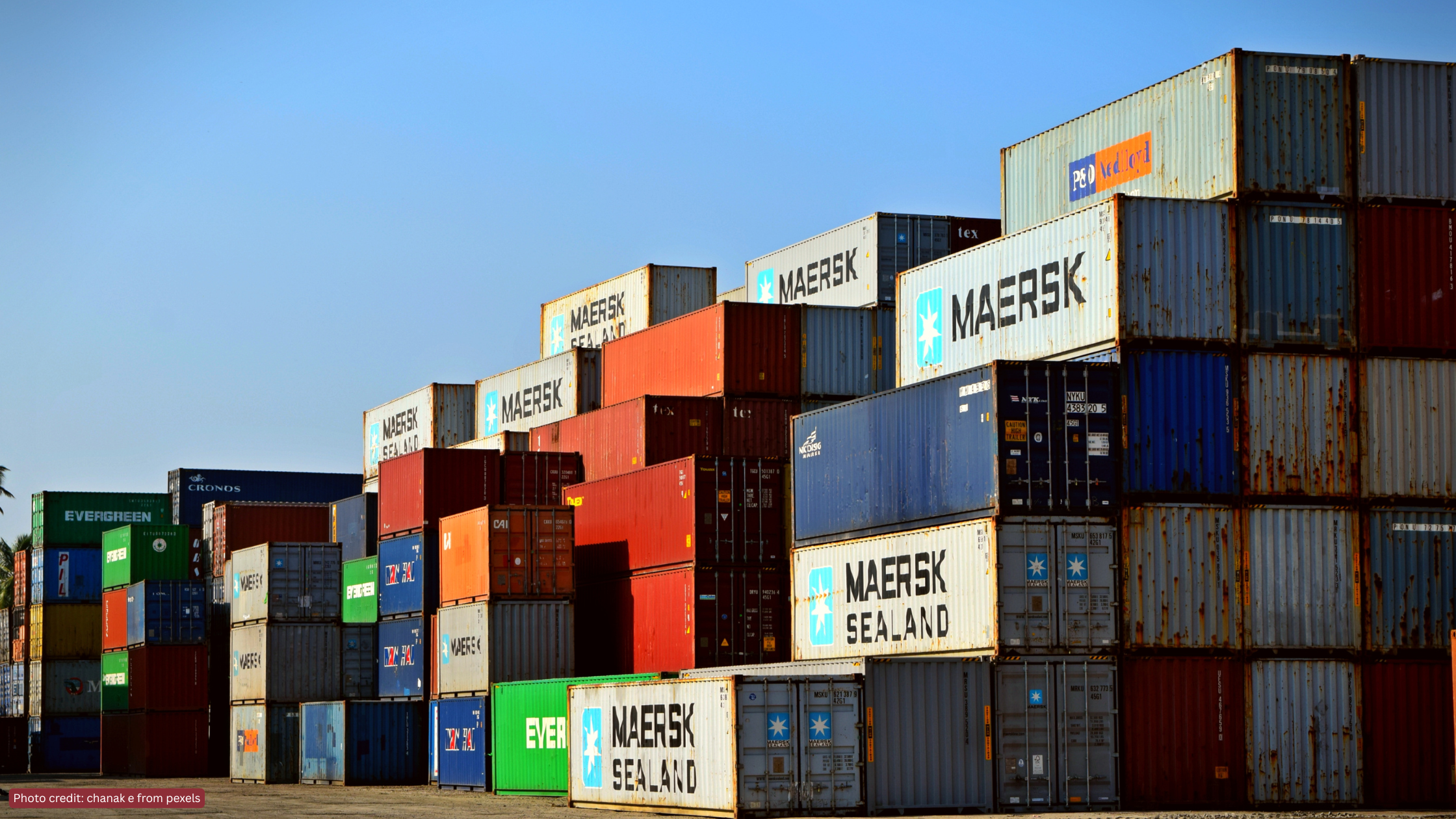
Regional freight performance depends on more than the condition of an individual road or rail line. Goods often move through several transport modes and facilities before reaching a customer, making the connections between them just as important as the infrastructure itself.
For Australian regional businesses, a delay at one point can affect the availability of transport, storage and distribution capacity elsewhere. Producers may miss delivery windows, manufacturers may wait for inputs and communities can face delays in receiving essential goods.
The challenge is particularly significant across a country where freight moves over long distances and many regional routes have limited alternatives.
A network is only as strong as its connections
A regional product may travel by road from a farm or processing site to a distribution centre, then move by rail or road to a port or metropolitan market. Each stage depends on the next being ready to receive the freight.
If a road connection is unreliable, a rail service has limited capacity or an intermodal terminal cannot accommodate changing volumes, the entire journey can become less predictable.
These problems are not always solved by upgrading a single asset. A faster road may deliver limited benefits if vehicles still face delays at a congested terminal. Additional rail capacity may not achieve its full potential if freight cannot move efficiently between rail and road.
Infrastructure planning therefore needs to consider how individual projects affect the wider freight journey.
Regional resilience needs practical alternatives
Extreme weather can expose the consequences of limited route choice. Flooding, bushfires or other hazards may interrupt access to regional production areas, leaving freight operators with few practical alternatives.
Research prepared for Australia’s National Climate Risk Assessment has identified regional and remote supply chains as particularly vulnerable to extreme weather impacts, with potential consequences for the movement of goods including food, fuel and medicines.
Diversion is not always straightforward. An alternative route may be longer, unsuitable for certain vehicles or unable to accommodate the volume of freight being redirected. Operators may also need to coordinate with customers, drivers, depots and receiving facilities.
Resilience planning should therefore examine the capacity and limitations of alternative routes before a disruption occurs.
Data and coordination are part of the infrastructure
Physical investment remains important, but network performance also depends on the information shared between operators.
Accurate data on freight movements, asset restrictions, terminal capacity and disruptions can help businesses make better routing and scheduling decisions. Consistent planning across road, rail, ports and intermodal terminals can also reduce the risk of investments solving one problem while creating another.
Australia’s 2026 Infrastructure Priority List identifies freight priorities that include improving rail interoperability and increasing intermodal capacity and connectivity. These priorities reflect the importance of links between infrastructure assets, not just the assets themselves.
For regional operators, better coordination can help make existing infrastructure more useful while longer-term projects are planned and delivered.
Measure the whole journey
The value of a freight network should be assessed by how reliably it moves goods from origin to destination, not simply by the capacity of individual roads, terminals or rail lines.
That means looking at journey times, transfer delays, access to alternative routes and the ability to recover when a key link becomes unavailable.
For Australia’s regional supply chains, a connected freight system can improve reliability for producers, businesses and communities alike. The priority is not just to build more infrastructure, but to ensure the different parts of the network work together.
Also read: How New Zealand’s geography shapes its freight network

Yvette is a Content Producer at Akolade, producing stories for Supply Chain Channel, an Australian learning ecosystem created to address the need for information, networking, case studies, and empowerment for everyone in the supply chain sector.