A $40 million grant program has been launched by the Australian government to strengthen the nation’s international partnerships for critical minerals. Minister for Resources and Northern Australia Madeleine King, opened the applications for the four-year award program.
King said the drive is expected to reinforce Australia’s international engagement on critical minerals and support cooperation with global accomplices, similar to the US, the United Kingdom, Japan, India, South Korea, and European Union countries.
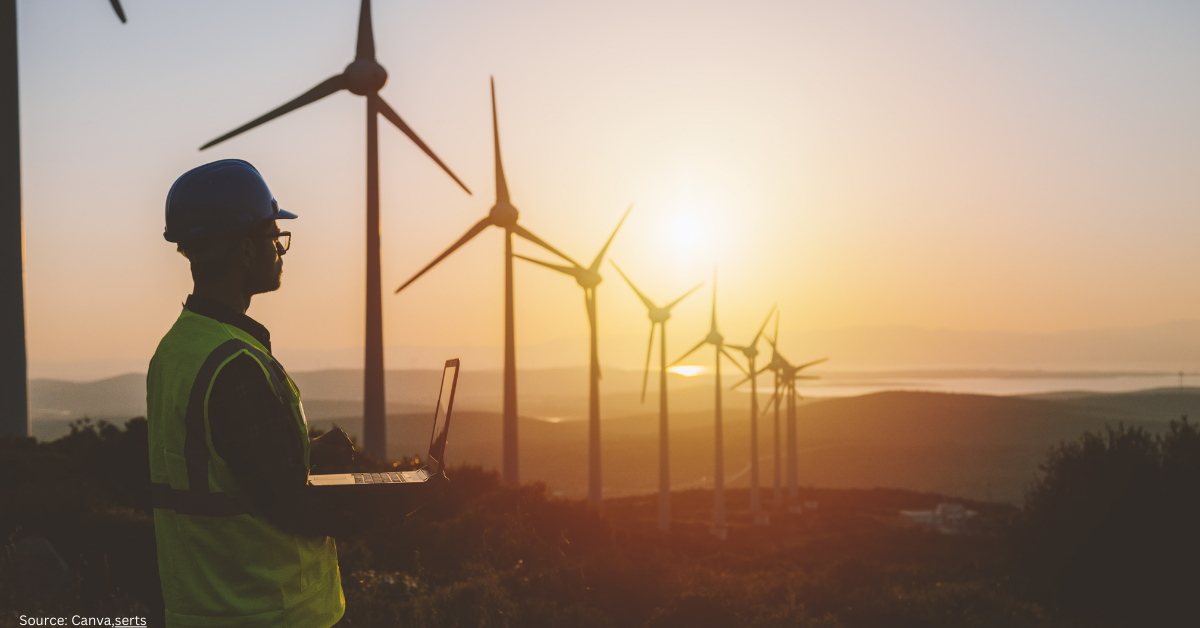
“Secure supply chains for our critical minerals are essential if we want to build the windfarms, solar panels and batteries we need to reach net zero.
These supply chains will also be essential in working with our allies and friends in developing the technology needed by the defence industry,” said King.
Geant funding ranging from $2 million to $20 million will be accessible for different projects including Pilot and showing plants, capacity extensions, and development projects; Development or commercialisation of innovation and intellectual property; Critical minerals for processing minerals; and Development of downstream processing capability.
“These grants support our Critical Minerals Strategy, which will build Australia’s sovereign capability in critical minerals processing, diversify global supply chains and help Australia become a clean energy superpower,” King added.
Critical minerals are pivotal in assembling low-emanation technologies, like electric vehicles, solar panels, and wind turbines. They are additionally required in the progression of modern defence and technologies.



























Follow us on social media