Supply chains might be recovering, but the outlook is far from clear – it’s foggy at best.
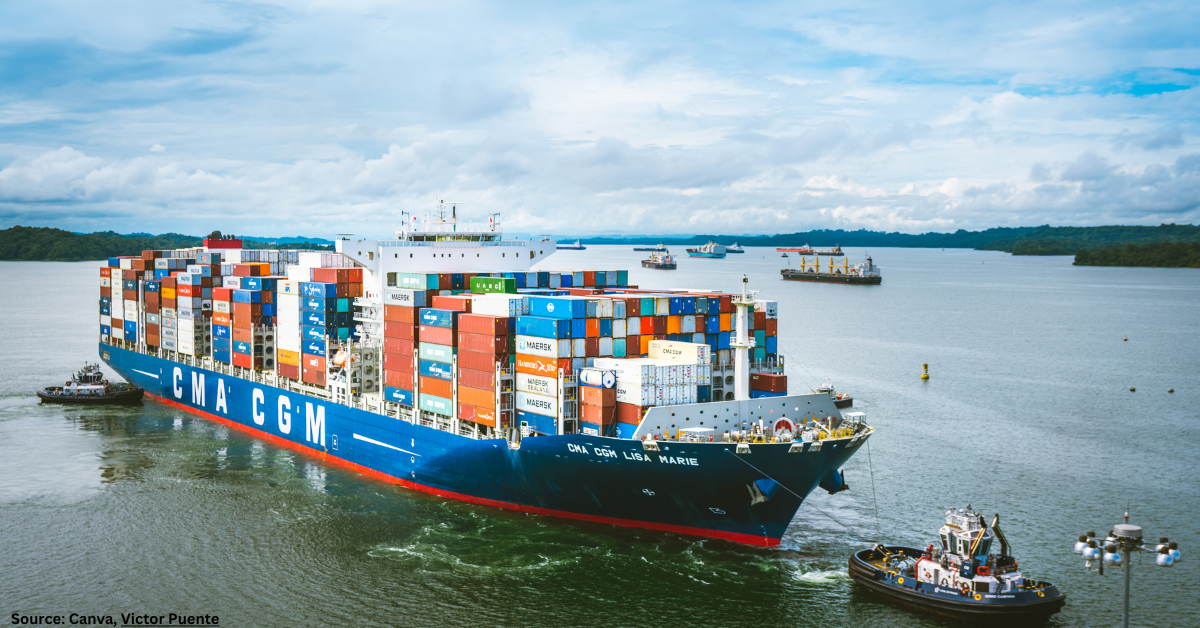
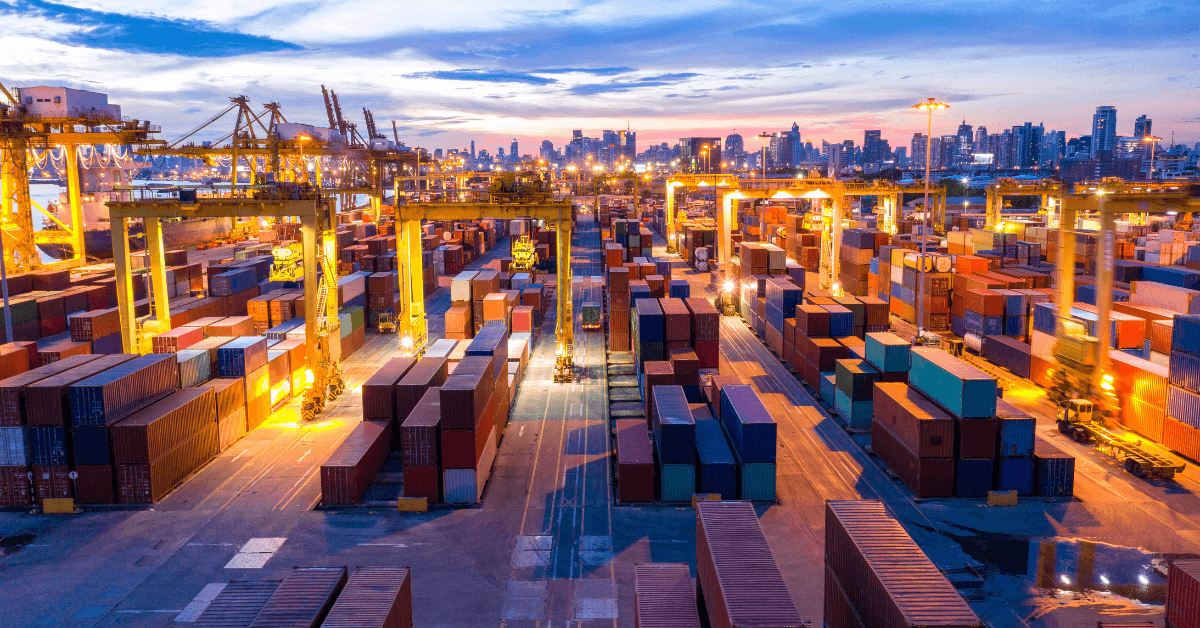
The OECD says despite traditional notions that countries export completed ‘final products’, about 70 per cent of international trade comes from global value chains (GVCs). Services, raw materials, parts and components are brought in from many parts of the world to assemble a final product before it’s shipped for sale.
This reliance on international markets has meant interruptions to other parts of the world have had significant consequences for Australia.
Deloitte flags pre-COVID-19 geopolitical tensions and ongoing trade disputes, the blocking of the Suez Canal, panic buying during the pandemic, floods causing disruptions in Western Australia, and labour shortages amid ongoing virus variants as just some of the unpredictable events which have had a drastic impact on supply chains.
Then there was the abrupt trade halt in China at the onset of the pandemic, which left many baffled at just how much we depend on its raw materials and manufactured goods. Subsequent economic recovery amplified issues as demand soared well past the ability to supply. And today, a shortage of electronic components plus raw materials is further slowing production.
Supply chains have gone through the mincer.
However, despite the uncertainty that still lies ahead, there are significant opportunities to create a level of predictability to foster new resilience through analytical capabilities. The changes experienced in recent years have made it clear supply chains must better understand themselves in order to shape a positive future.
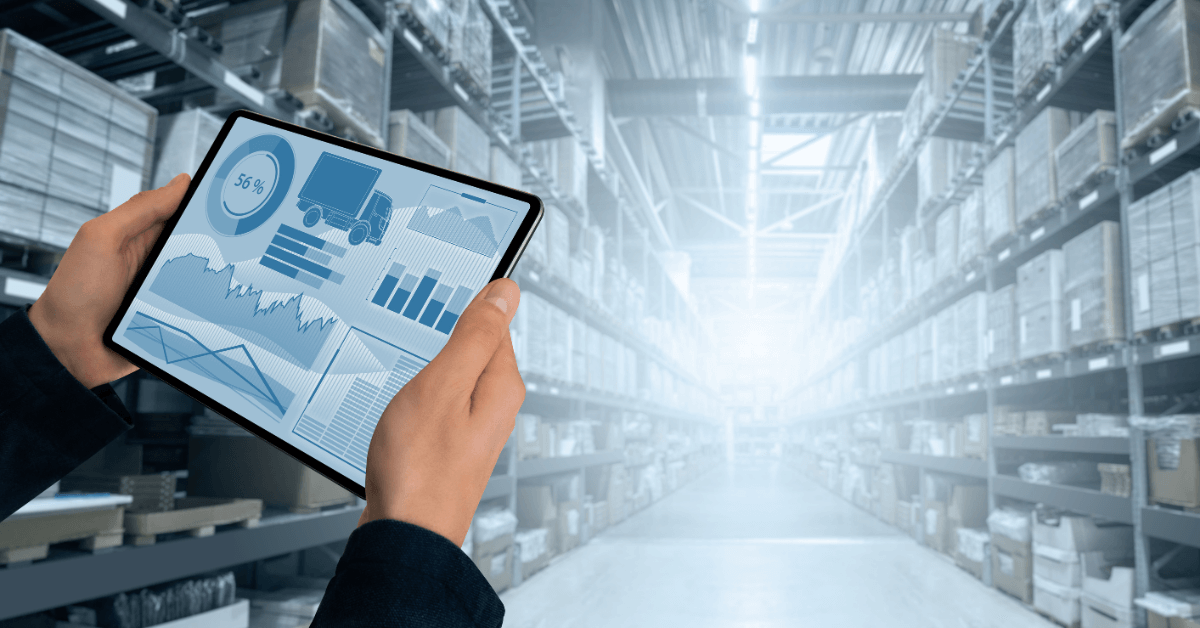
The not-so secret ingredient is data. It is what binds supply chains together, giving them the ability to operate with agility to cope with unexpected events and crises in a global, digital economy.
The evolution of the supply chain during and after the pandemic
Today’s supply chains use vastly more solutions and systems than ever before. While all-in-one platforms still exist, the general trend has shifted to using combinations of ‘best-of-breed’ technologies to tackle specific functions, such as dedicated inventory planning apps and demand optimisations tools, right through to the collaboration options employees use to communicate and execute alongside their colleagues.
However, most operate standalone. They are only partially integrated, if at all, meaning data is left stagnant within dozens of systems that have no way of sharing it.
This is especially problematic in a global context, where supply chains are part of complex ecosystems that require continued collaboration between different partners performing a variety of functions. Each of these parties needs real-time access to information to hold up its part of the supply chain to mitigate disruption.
It is precisely in these two areas that integration plays a key role. It enables systems and people to speak with each other, ensuring data is connected around the clock, and allowing organisations that use it to go to market much faster.
A data-driven supply chain fosters a collaborative and fully integrated ecosystem where all stakeholders, from suppliers to transporters, receive the information they need, when they need it.
Untapped potential and the way to deal with uncertainty
As it stands, data is a domain of untapped potential in the world of supply chains. In fact, about half of all companies with a foot in the industry don’t even know what data their organisation holds.
Being disconnected from data makes it near impossible to grasp what is happening within the supply chain with customers, partners, and employees. This slows, and can even derail, projects.
Using enterprise technologies such as low-code platforms that don’t require extensive technical knowledge or coding, can unlock data by quickly and easily connecting the many different applications and systems throughout their ecosystems. This breaks down data silos to deliver information that accelerates business processes and automates workflows.
Furthermore, by automating and orchestrating the discovery, cataloguing, preparation, and integration of data from different sources, these enterprise technologies enable businesses to create a common data language that better supports long-term data governance and provides a full understanding of employees, customers, and products.
By going even further and extending the reach of this connectivity and integration to partners and suppliers as well, organisations can truly optimise and simplify their supply chains, achieving greater operational efficiency.
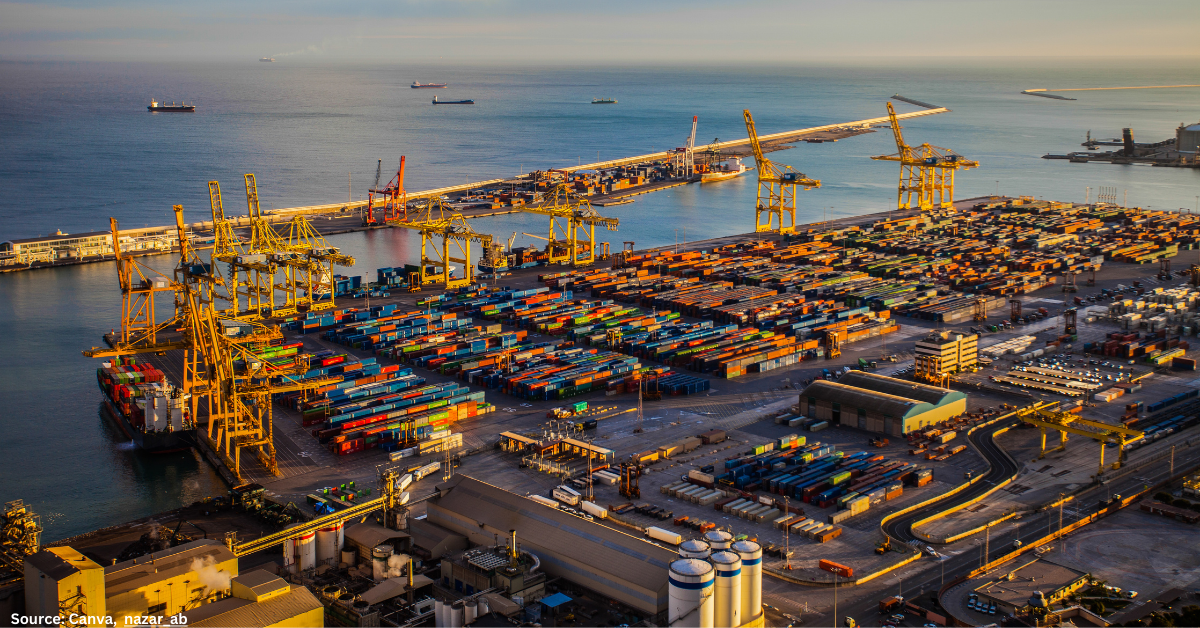
Take, for example, Inchcape Shipping Services, a leading port agency. Having accumulated multitudes of independent technology products, the organisation saw the need to integrate its applications to make optimal use of them and the data they hold. Once it integrated its systems, Inchcape was able to improve port logistics and better track its entire supply chain around the world. That included simplifying its operations, as well as bolstering compliance.
Back home, Australia’s furniture and homewares brand Freedom saw integration as the solution to getting its hands on accurate, up-to-date data to inform business decisions pertaining to product sourcing right through to the supply chain, all of which boosts its customer service capabilities. It can also now better identify, secure and onboard local suppliers.
Today’s supply chains need a holistic, data-driven foundation to unite the vast volumes of data and applications they rely on within a single governance model. This approach will require being driven by quality data and help stabilise operations amid ongoing uncertainty where circumstances fluctuate dramatically.
Nathan Gower is Head of Business Development Australia and New Zealand at Boomi, a technology, and data integration company.
www.boomi.com & apj@boomi.com
























Follow us on social media