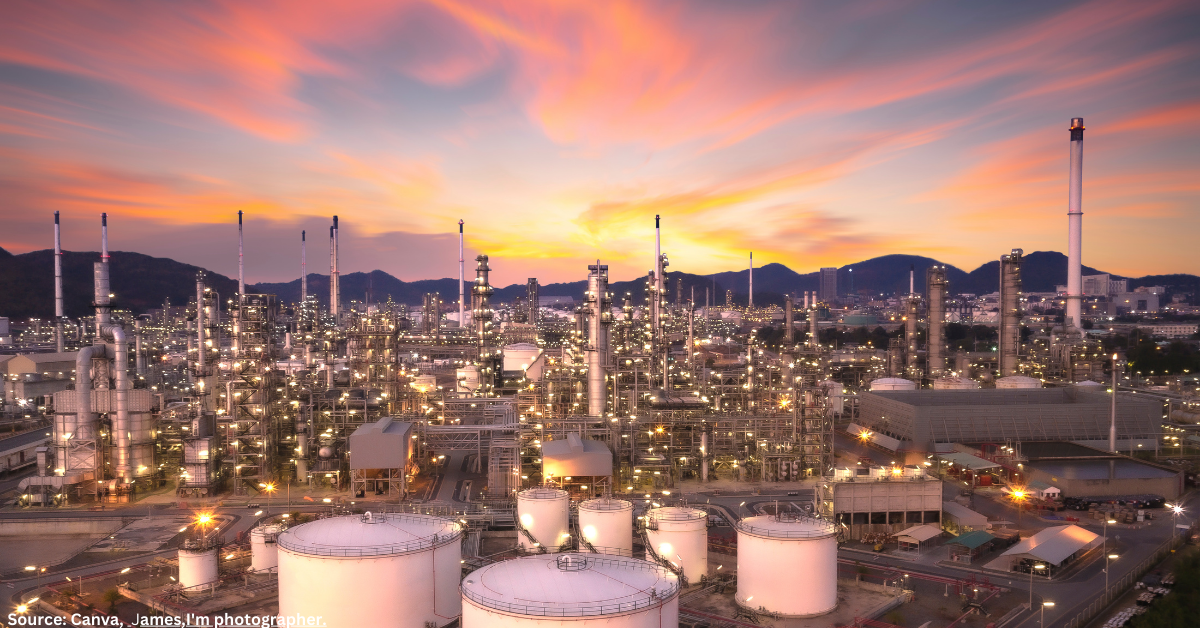
A feasibility study on Portland as a renewable methanol and hydrogen hub, to be carried out by Portland H2, has received $500,000 in funding from the Victorian government.
Portland H2’s parent company, HAMR Energy, expressed excitement about supporting the government’s efforts to position Victoria as a leader in the production of renewable energy. The project, according to the company, will aid in the global shipping industry’s decarbonisation.
The government stated that the study would investigate the economics of converting green methanol from plantation forestry residues at the site.
It would also include preliminary engineering and planning for a plant with green hydrogen electrolytes of 100 megawatts.
HAMR Energy Director and Company Secretary, David Stribley, said: “HAMR Energy is excited to support the Government’s efforts to position Victoria as a leader in renewable energy production, and support will accelerate the decarbonising of the global shipping industry.”
This drive exhibits the Victorian government’s obligation to investigate imaginative answers for environmentally friendly power creation and diminishing fossil fuel byproducts.
The feasibility study’s findings will shed light on Portland’s potential as a centre for the production of renewable hydrogen and methanol.
Methanol’s 90% reduction in emissions of greenhouse gases when burned makes it a promising alternative to heavy fuel. Victoria’s Portland Diversification Fund is responsible for providing the feasibility study with funding.
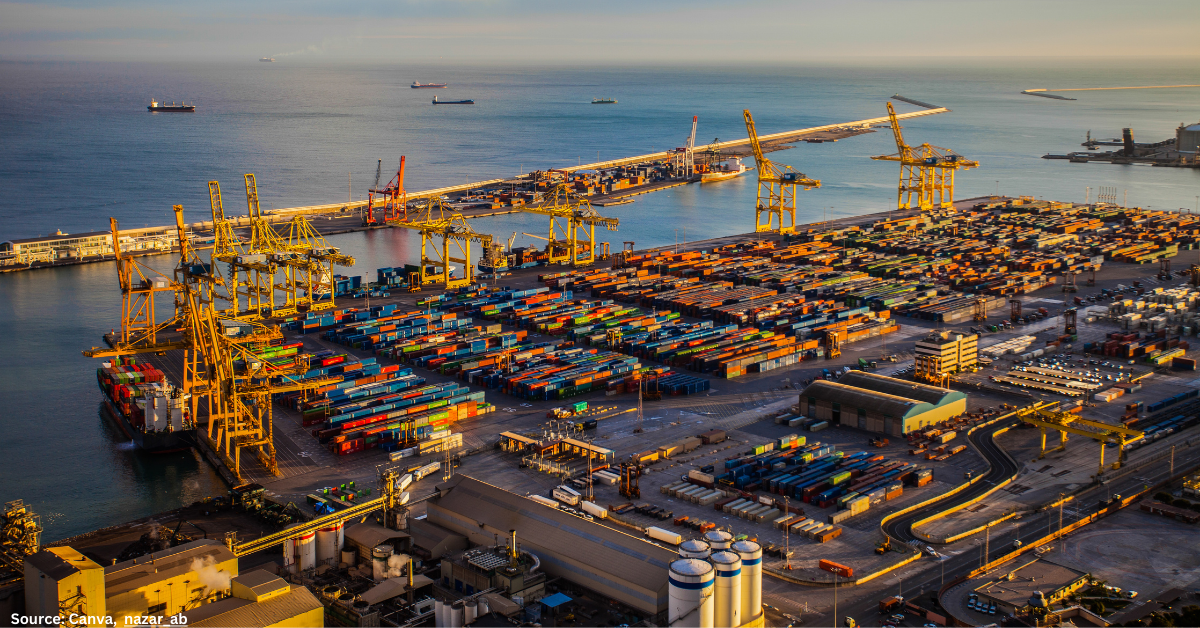
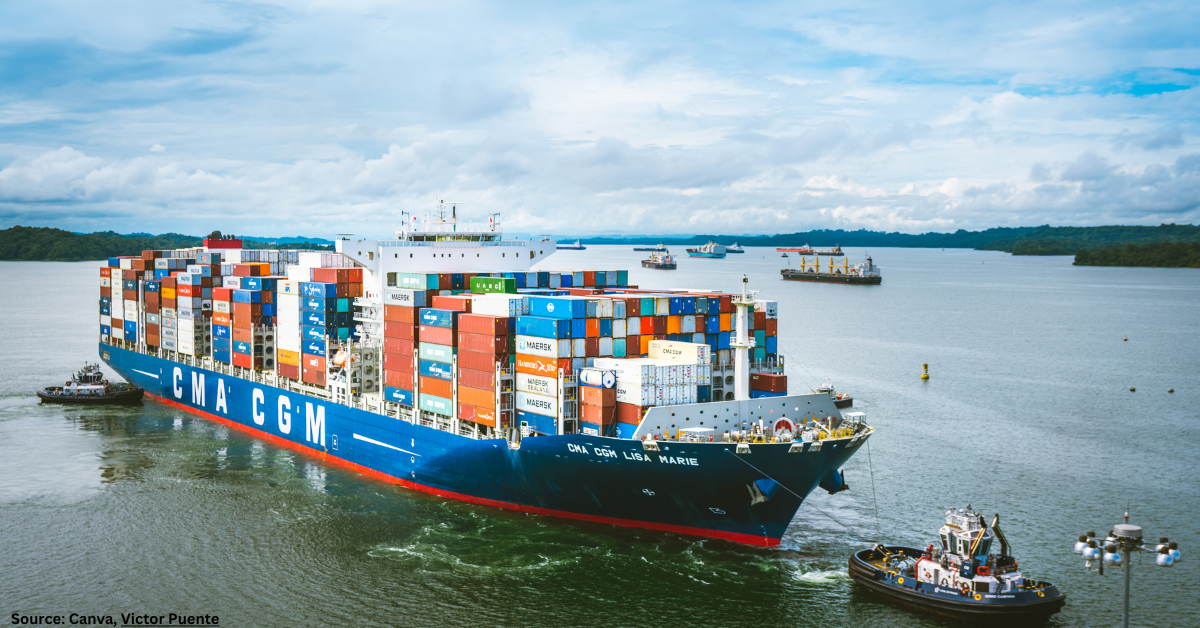
The Port of Melbourne, Maersk, ANL (a subsidiary of CMA CGM), Svitzer, Stolthaven Terminals, and ABEL Energy have already signed a memorandum of understanding with HAMR Energy to investigate the commercial viability of establishing a green methanol bunkering hub at the Port of Melbourne.





















Follow us on social media