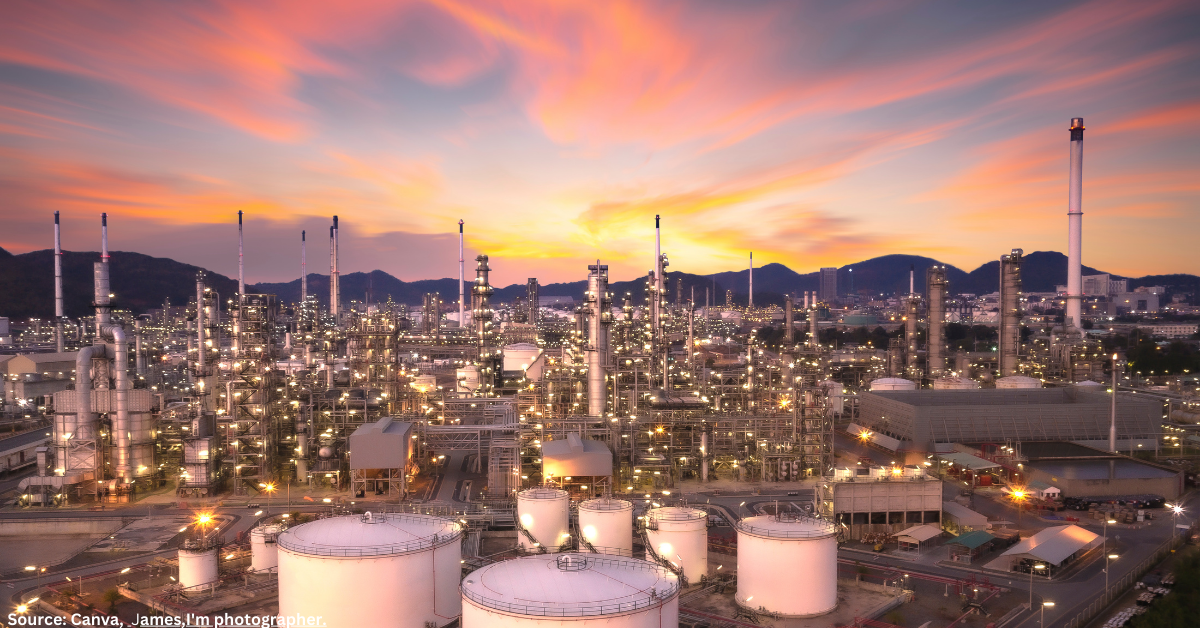
Alcoa of Australia, the more significant part owner of Victoria’s Portland Aluminium Smelter, has declared a nine-year contract with AGL, effective July 2026, which secures 760 positions in the region.
The Portland smelter is one of the state’s greatest power clients, and Alcoa says it produces around 20% of Australia’s aluminium. Both AGL and Alcoa made announcements on Friday early daytime saying the arrangement would assist with getting the nearby positions.
“This agreement… provides a strong platform for the long-term future of the smelter, which is central to the social and economic fabric of the Region,” said Alcoa of Australia President Matt Reed.
The understanding covers 300 megawatts of force, with Alcoa “pursuing options for the smelter’s remaining electricity requirements… with a strong focus on renewable energy.”
Alcoa of Australia – which is a JV of Alcoa Corporation (60%) and Alumina Limited (40%) – said that 40% of power as of now consumed by the smelter is from sustainable sources, including the nearby Portland wind ranch. Alcoa has a net-zero by 2050 goal.
The Portland smelter addresses 20% of Australia’s aluminium yield and consumes around 10% of Victoria’s power.
AGL couldn’t perceive The Age how much sustainable power would be given under the nine-year arrangement. In any case, the organisation referred to its portfolio of generation, which incorporates wind, solar and hydro-produced power.
“South-Western Victoria has been identified as a renewable energy zone with several emerging projects that could potentially provide green power to the smelter and the wider Region,” said Reed.
Portland Aluminium is 55% claimed by Alcoa of Australia, with the rest by CITIC Chosen people (22.5 percent), and Marubeni Aluminium Australia (22.5 percent).



















Follow us on social media