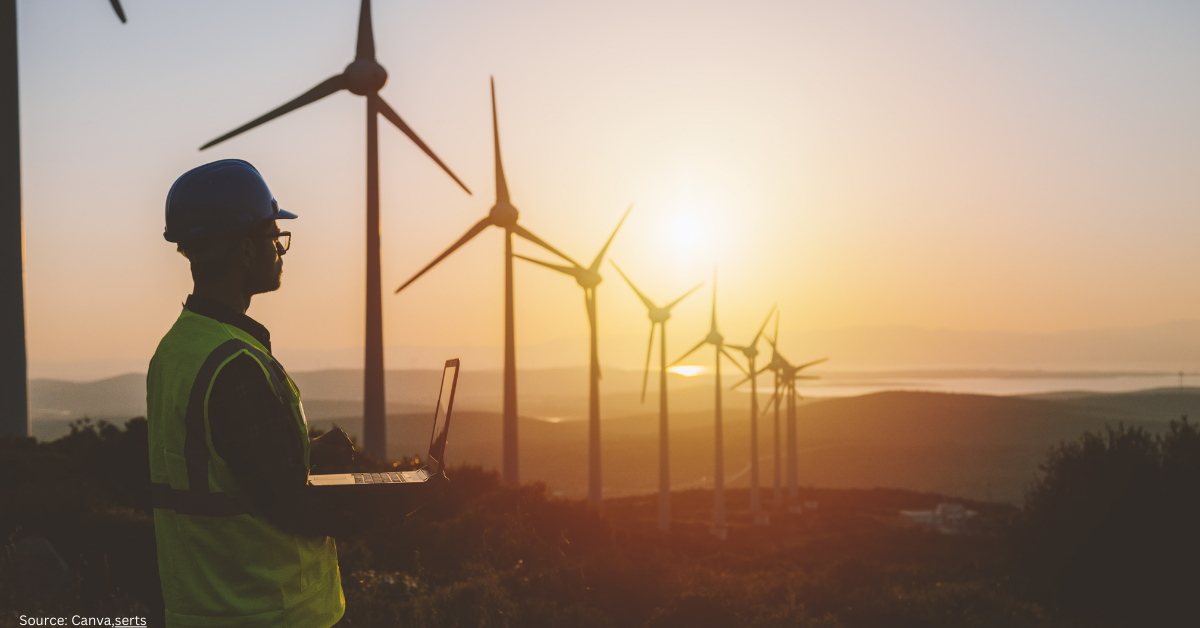
Engineers at the University of New South Wales have formulated a strategy to create manufactured methane from carbon dioxide utilising only daylight.
This development, itemised in their exploration distributed in EES Catalysis, aims to diminish dependence on non-renewable energy sources and battle environmental change.
“Creating synthetic methane using only the natural resource of the sun is a cleaner and greener alternative for usage in heavy transportation, shipping, and other specific industries where gas usage is essential,” Dr Emma Lovell said.
The interaction relies on utilising light and intensity to generate a response that changes CO2 into manufactured methane.
By utilising explicit impetuses and support materials, the group has spearheaded a pathway for noticeable light to drive this change, denoting a huge step towards sustainability.
Driven by Professor Rose Amal and involving research like Dr Priyank Kumar, Dr Emma C. Lovell, Yi Fen Zhu, Associate Professor Jason Scott, Dr Bingqiao Xie, and Dr Jodie A. Yuwono, the UNSW cooperation not only addresses environmental concerns but also harnesses renewable energy.
“One of the most promising aspects of this research is its potential impact on industries like fuel production, cement manufacturing, biomass gasification, and pharmaceuticals,” Associate Professor Scott said.
Looking forward, the group said it imagines increasing its interaction for modern execution. As per them, challenges lie in really bringing light into bigger scope frameworks, an undertaking they are effectively tending to through creative strategies, for example, bridling solar thermal warm close by light help.





































Follow us on social media